Synchronizing Maintenance Protocols with Campaign Insights for Enhanced Mobile Retail Operations
Written by Clara Powell · Jul 10, 2026
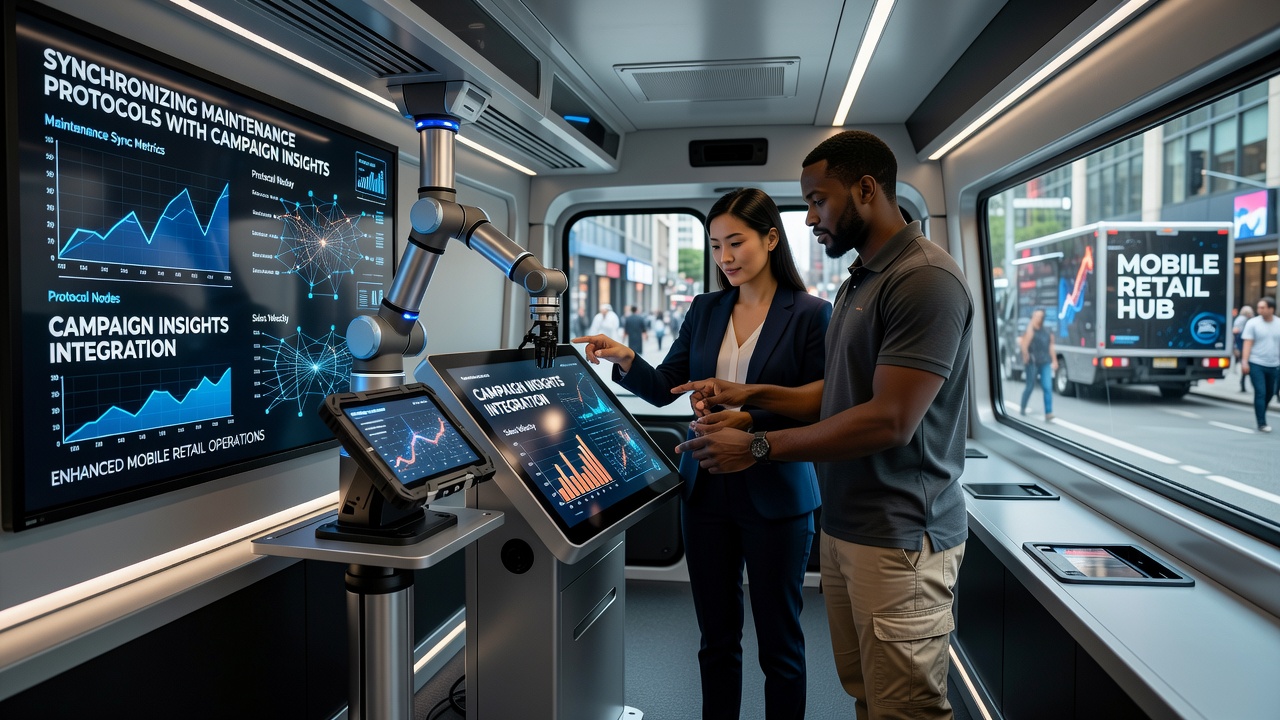
Synchronizing Maintenance Protocols with Campaign Insights for Enhanced Mobile Retail Operations
Retail operations on mobile platforms rely on precise coordination between scheduled maintenance activities and incoming data from marketing campaigns, since both elements influence user access patterns and system performance at scale. Maintenance protocols cover routine updates to application code, server patches, and database optimizations, while campaign insights provide details on traffic spikes, conversion rates, and demographic shifts drawn from analytics platforms. Organizations integrate these streams to reduce unplanned downtime and align resource allocation with actual demand cycles observed across distributed user bases.
Core Components of Maintenance and Campaign Data Flows
Maintenance protocols in mobile retail environments follow structured timelines that include version releases, security patches, and load testing phases, often scheduled during off-peak hours identified through historical usage logs. Campaign insights, generated from tools tracking ad performance and in-app promotions, reveal periods of elevated activity tied to seasonal events or targeted outreach efforts. When these two data sets merge through shared dashboards, teams identify windows where updates can occur without intersecting major promotional pushes, thereby preserving transaction continuity and minimizing revenue leakage during high-volume intervals.
Research from academic institutions shows that combining these elements allows systems to forecast maintenance windows based on predicted campaign outcomes rather than static calendars alone. For instance, data pattern analysis from past product launches indicates how user engagement clusters around specific hours, enabling protocol adjustments that account for geographic variations in mobile usage across regions.
Integration Methods and Technical Approaches
Teams achieve synchronization through API connections that feed campaign analytics into maintenance management systems, creating automated alerts when projected traffic exceeds thresholds during planned update cycles. This setup draws on real-time metrics such as session duration and cart abandonment rates to refine scheduling decisions dynamically. Observers note that middleware layers facilitate the exchange of structured data between marketing platforms and IT operations tools, supporting consistent application of rules across multiple app versions deployed on iOS and Android ecosystems.
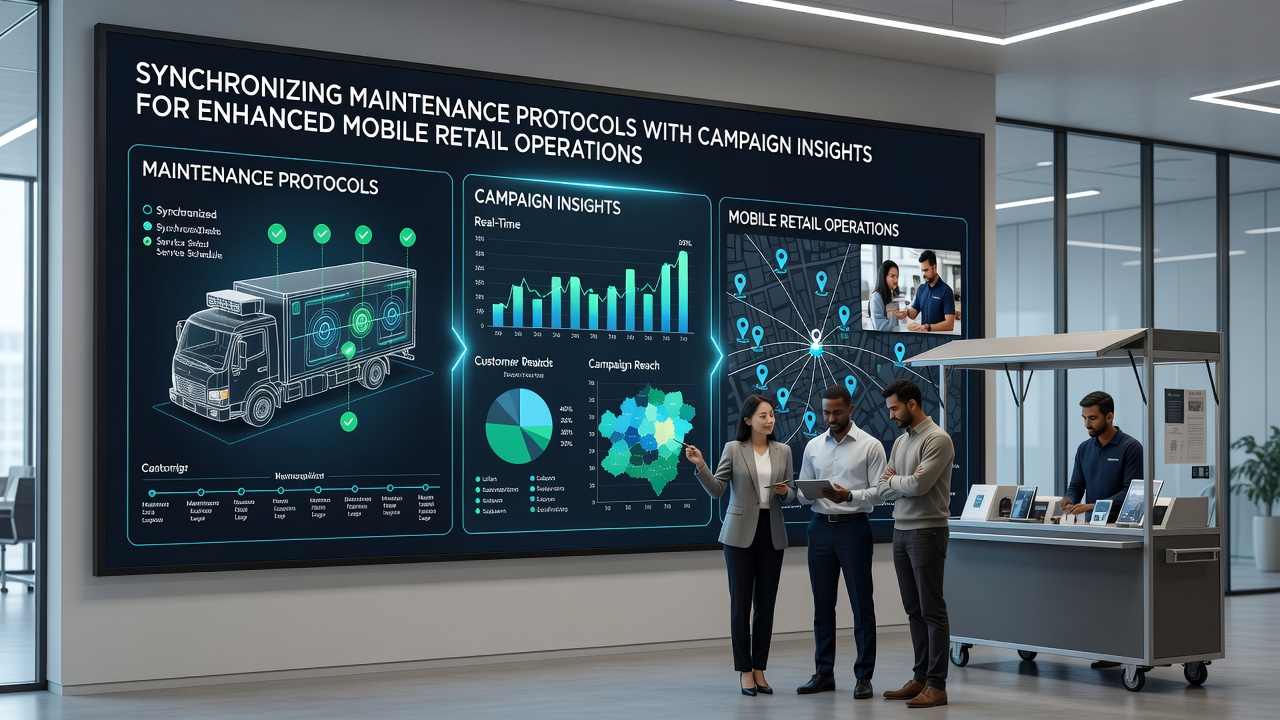
Observed Impacts on Operational Efficiency
Data from retail analytics providers indicates measurable reductions in service interruptions when maintenance timing incorporates campaign forecasts, with some implementations reporting smoother rollout processes during July 2026 promotional periods. Resource allocation shifts toward preventive measures as teams review aggregated insights that highlight correlations between marketing spend and infrastructure strain. Those managing large-scale mobile deployments find that this alignment supports consistent performance metrics even as buyer patterns evolve across different device types and network conditions.
Case examples from established retail chains demonstrate how early adoption of synchronized protocols helped maintain uptime during flash sales driven by social media campaigns. In these instances, maintenance teams adjusted patch deployment sequences after reviewing campaign data streams that projected user influxes from specific regions, avoiding conflicts that previously led to degraded app responsiveness. Figures from industry reports reveal that such coordination correlates with improved retention rates during campaign windows, since users encounter fewer access barriers when systems remain available throughout peak engagement times.
Challenges in Data Alignment and Resolution Strategies
Discrepancies arise when campaign data arrives in formats incompatible with maintenance tracking systems, requiring custom mapping layers to standardize inputs like time stamps and traffic projections. Latency in data pipelines can delay insight delivery, prompting organizations to implement edge computing nodes that process local campaign signals closer to the point of user interaction. Regulatory guidelines from bodies such as the European Commission on digital services emphasize secure handling of combined datasets, which influences how teams structure access controls during synchronized operations.
Additional hurdles surface around skill gaps, where marketing analysts and IT specialists must develop shared vocabularies to interpret overlapping metrics effectively. Training programs address this by focusing on joint workshops that walk through sample scenarios involving real campaign timelines and corresponding maintenance logs. External sources including reports from Statistics Canada on digital commerce trends provide benchmarks that help calibrate these efforts across varying market sizes.
Future Developments and Measurement Frameworks
Emerging frameworks incorporate machine learning models that refine synchronization rules based on ongoing feedback loops from both maintenance outcomes and campaign results. These models process variables such as update success rates alongside engagement lifts to suggest protocol tweaks in advance of major events. By July 2026, projections based on current adoption curves point toward wider deployment of these automated systems in mid-sized retail operations seeking to scale mobile channels without proportional increases in support overhead.
Performance indicators tracked in these environments include mean time between updates, campaign-attributed revenue per session, and cross-device consistency scores. Organizations apply these metrics to iterate on integration processes, ensuring that adjustments remain grounded in observable patterns rather than isolated assumptions. Patterns emerging from global user data continue to shape priorities between interface refinements and safeguard implementations as distributed commercial systems expand.
Conclusion
Synchronization of maintenance protocols with campaign insights establishes a foundation for resilient mobile retail operations by linking technical schedules directly to demand signals generated through marketing activities. This connection supports consistent service delivery while accommodating shifts in consumer behavior across platforms and regions. Continued refinement of data exchange methods and measurement approaches sustains these gains as retail ecosystems evolve through successive campaign cycles and infrastructure updates.