Shifts in Global Consumer Habits Shaping Priorities Between Interface Design and Safeguard Implementations in Web-Based Sales Channels
Written by Casey Krüger · Jun 15, 2026
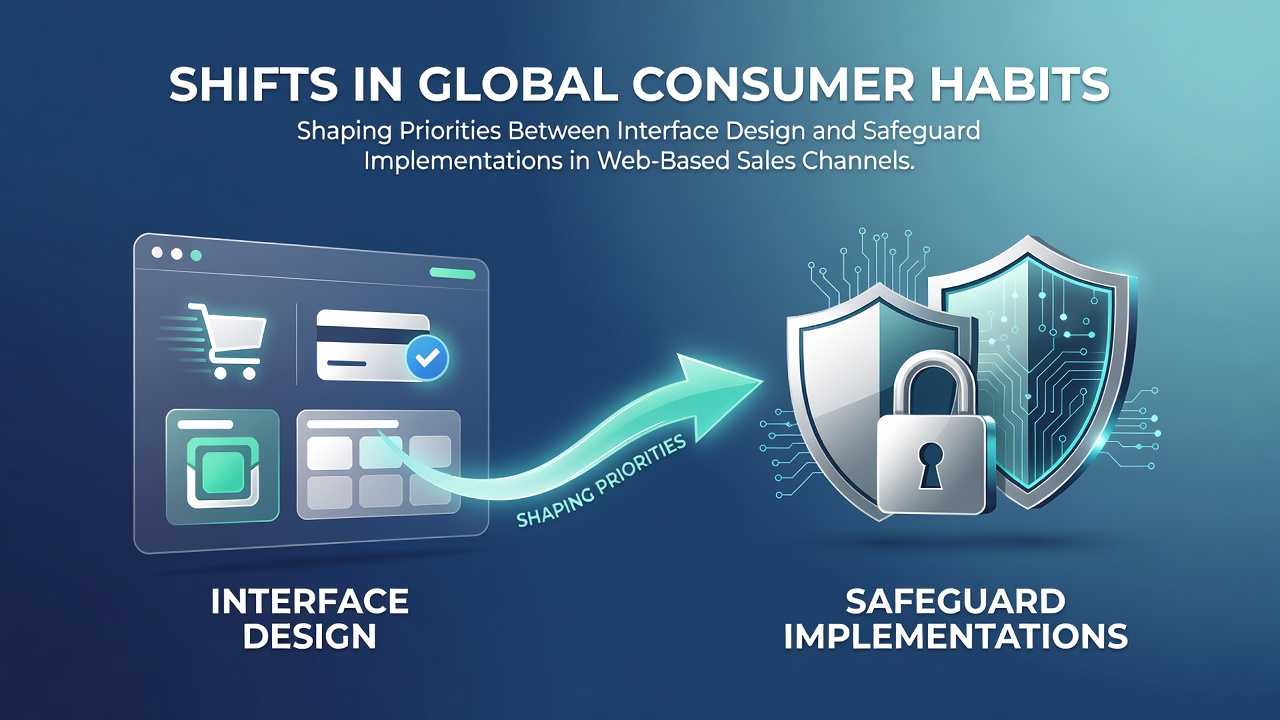
Shifts in Global Consumer Habits Shaping Priorities Between Interface Design and Safeguard Implementations in Web-Based Sales Channels
Consumer behavior across international markets has undergone measurable changes in recent years with data from multiple regions indicating stronger preferences for seamless digital experiences alongside growing demands for personal data protection in online retail environments, and these patterns have directly influenced how businesses allocate resources between visual and functional interface elements and backend safeguard systems.
Documented Changes in Purchasing Patterns
Studies conducted by research institutions show that mobile device usage for purchases rose steadily through 2025 with many shoppers expecting checkout processes to complete in fewer than three steps while simultaneously expressing concerns over unauthorized access to payment information, and figures from the Australian Bureau of Statistics revealed that 68 percent of online buyers in that country checked privacy policies before completing transactions during the first quarter of 2026. Similar surveys in North America and parts of Asia highlight parallel trends where users favor platforms that load quickly and adapt to individual browsing histories yet they also abandon carts at higher rates when security prompts feel intrusive or unclear.
What's notable is how these dual expectations have prompted web-based sales channels to reassess development priorities since early 2025 with companies tracking user drop-off metrics that correlate directly with both design friction and perceived vulnerability points, and observers note that regions with stronger data protection regulations tend to see faster integration of adaptive authentication methods that activate only when risk signals appear rather than at every login.
Interface Adjustments Driven by User Feedback
Design teams have responded to habit shifts by emphasizing responsive layouts that maintain consistency across screen sizes while incorporating subtle visual cues for trust such as verified payment badges placed near primary action buttons, and data collected from European retail platforms indicates that sites implementing these elements without adding extra clicks saw retention rates improve by an average of 12 percent between January and June 2026. At the same time researchers tracking behavior in emerging markets found that consumers there prioritize localized language support and culturally familiar color schemes in interfaces more than additional security layers provided those layers remain invisible during standard transactions.
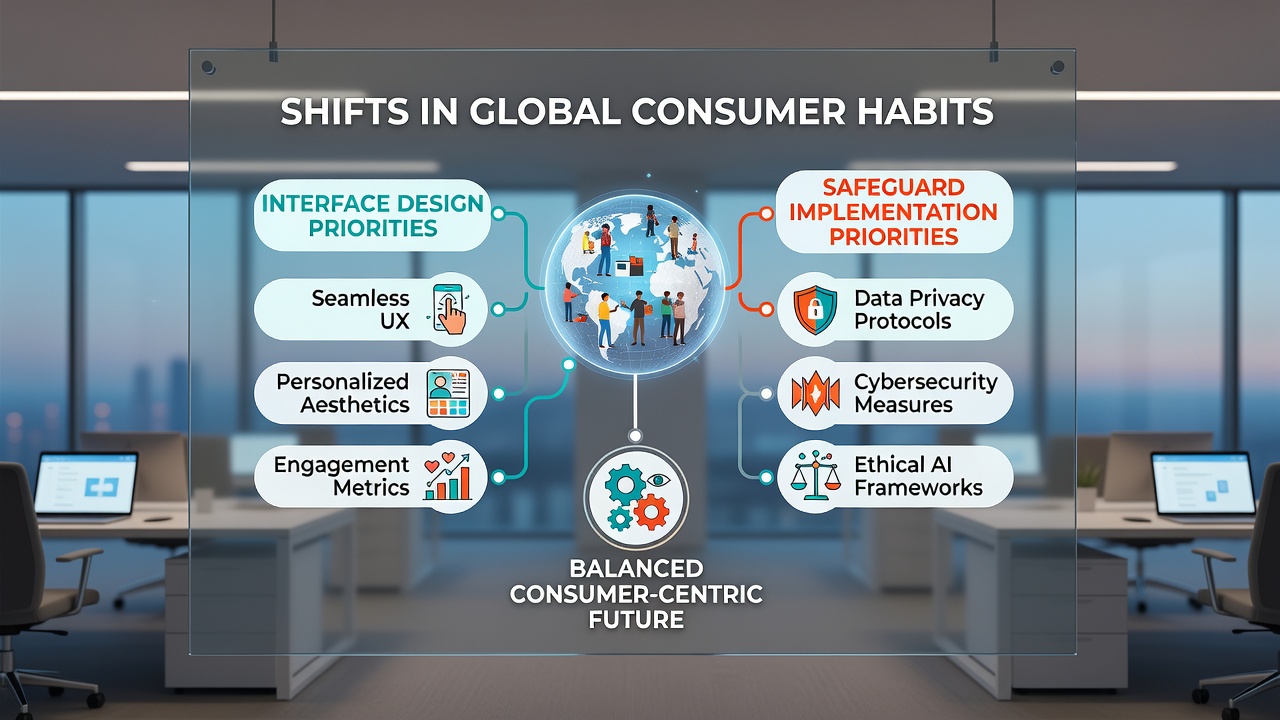
One analysis of transaction logs from major platforms demonstrated that when interface changes reduced visual clutter around payment fields conversion rates increased even as underlying encryption standards stayed constant or strengthened, and this pattern appeared across both high-income and developing economies according to aggregated industry reports. Companies have therefore begun embedding micro-interactions that confirm secure connections without requiring separate confirmation screens since such approaches align with documented user preferences for speed and minimal interruption.
Safeguard Implementations Responding to Risk Awareness
Heightened awareness of data incidents has led many shoppers to favor platforms that display real-time security status indicators while still allowing one-click purchases once initial verification occurs, and regulatory updates from bodies like the U.S. Federal Trade Commission have encouraged clearer communication of these measures without adding steps that disrupt flow. In parallel the European Commission's digital strategy documents from late 2025 outlined expectations for risk-based authentication that scales according to transaction value and device history rather than applying uniform requirements to every user.
Technical implementations now often include behavioral analytics that monitor session patterns in the background and trigger additional verification only when anomalies arise, and statistics released by Canadian digital economy researchers showed this method reduced false positives in security challenges by 27 percent compared with static multi-factor systems used in prior years. Such approaches allow safeguard mechanisms to operate without conflicting with the fluid experiences consumers have come to expect from repeated interactions with the same sales channels.
Resource Allocation Trends Across Markets
Businesses operating web-based sales channels have shifted development budgets toward tools that support both rapid interface iteration and modular security components because consumer data reveals these areas no longer operate in isolation, and allocation reports from Asia-Pacific e-commerce associations indicate that spending on integrated testing frameworks grew 19 percent year-over-year through mid-2026. This integration enables teams to evaluate how a new design element might affect threat detection capabilities before deployment reaches production environments.
Platforms serving multiple regions have adopted unified dashboards that track both user experience metrics and security incident rates side by side, and this visibility has helped identify cases where overly aggressive interface simplifications inadvertently increased exposure to certain automated attacks. Consequently project timelines now routinely include joint reviews between design and security specialists rather than sequential handoffs that previously delayed updates.
Conclusion
Global consumer habits continue to evolve with measurable impacts on how web-based sales channels structure their development roadmaps around interface refinements and safeguard enhancements, and available data through June 2026 demonstrates that successful platforms are those maintaining parity between the two without forcing trade-offs that frustrate users or leave gaps in protection. Ongoing monitoring of transaction patterns and regulatory developments will likely sustain this balanced focus as markets adapt to new expectations in digital commerce.