Shifting Consumer Preferences Reshape E-Commerce Resource Allocation Between User Interfaces and Cybersecurity Measures
Written by Otto Walter · Aug 26, 2026
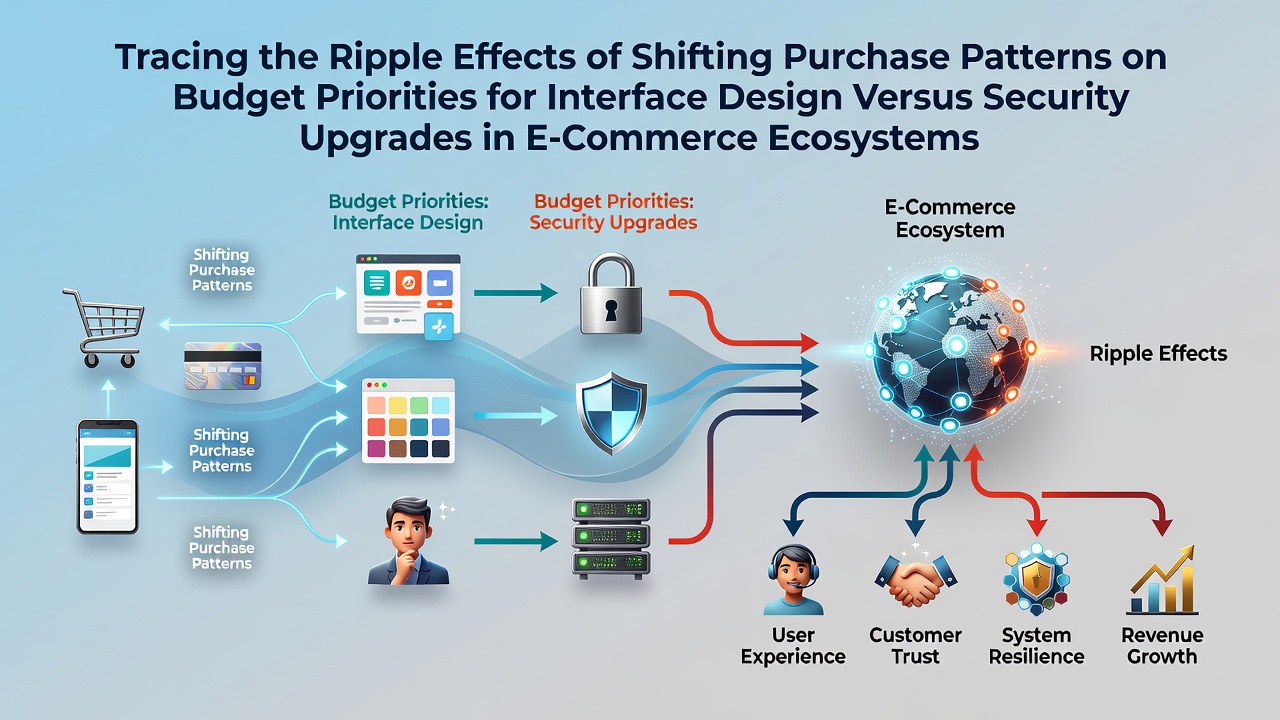
Shifting Consumer Preferences Reshape E-Commerce Resource Allocation Between User Interfaces and Cybersecurity Measures
Consumer buying habits continue to evolve rapidly across digital retail platforms, and these changes directly influence how organizations distribute funds between interface refinements and security enhancements. Data from multiple regions shows rising mobile and voice-activated transactions alongside heightened awareness of data vulnerabilities, prompting reevaluation of spending priorities throughout 2025 and into projections for August 2026.
Tracking Changes in Buyer Behaviors
Purchase patterns have moved toward seamless, personalized experiences that favor quick checkout flows and integrated recommendation engines, while incidents of credential stuffing and payment fraud have increased in parallel. Observers note that platforms experiencing higher cart abandonment rates often trace the issue to friction in navigation rather than outright security failures, yet breaches continue to erode trust when they occur. Research indicates subscription-based models and cross-border purchases now represent larger shares of total volume, each carrying distinct requirements for both intuitive layouts and layered encryption protocols.
Those who've examined transaction logs across major platforms find that users increasingly expect adaptive designs capable of handling diverse device types without compromising speed. At the same time, regulatory frameworks in various jurisdictions require stricter handling of personal information, which affects how development teams sequence their project roadmaps. Figures reveal that organizations reallocating portions of their annual technology budgets toward interface updates have observed measurable lifts in conversion metrics, although sustained growth depends equally on maintaining robust protective systems.
Interface Design Investments and Their Drivers
Budget decisions around interface elements typically respond to metrics such as session duration, bounce rates, and return visitor frequency. Teams often prioritize A/B testing of navigation structures and accessibility features when data shows these adjustments correlate with higher average order values. Because mobile traffic now exceeds desktop volumes in most markets, responsive frameworks receive consistent funding to ensure consistent performance across screen sizes and operating systems.
Studies from academic and industry sources highlight that visual hierarchy refinements and micro-interaction additions can reduce cognitive load during high-volume shopping periods. When purchase patterns shift toward impulse buys facilitated by social commerce channels, design teams receive directives to streamline product discovery paths. This focus on usability sometimes competes directly with requests for expanded authentication layers, creating internal discussions about sequencing implementation phases.
Security Upgrade Priorities Amid Emerging Threats
Security allocations gain urgency whenever reports document new attack vectors targeting payment gateways or customer databases. Organizations track indicators such as attempted intrusion rates and compliance audit outcomes to justify expenditures on advanced monitoring tools and multi-factor authentication rollouts. Because e-commerce platforms process sensitive financial data daily, even incremental improvements in encryption standards or anomaly detection algorithms receive attention from both technical and executive stakeholders.
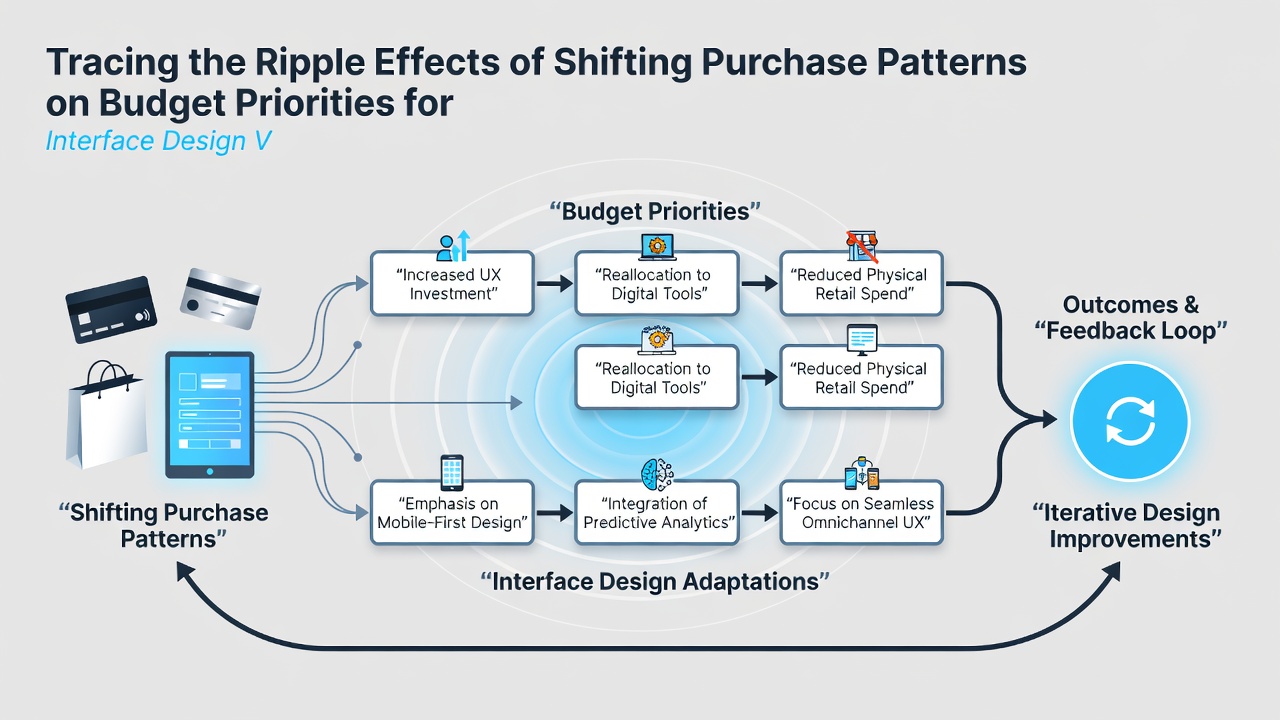
What's notable is how certain threat landscapes intersect with interface considerations, for instance when additional verification steps must integrate without disrupting user flow. Data from government statistical agencies in North America and Europe demonstrate that platforms investing earlier in proactive security measures experience fewer service interruptions during peak seasons. Those patterns encourage finance departments to weigh long-term risk mitigation against short-term revenue gains tied to smoother shopping experiences.
Interconnected Effects on Resource Distribution
Shifting purchase patterns create feedback loops where improvements in one area influence outcomes in the other. For example, streamlined interfaces that reduce form fields can simultaneously lower exposure points for data interception, allowing security teams to concentrate resources elsewhere. Conversely, when new security protocols introduce additional clicks or verification delays, design teams must compensate with clearer messaging and visual cues to preserve conversion rates.
Analysts examining budget reports across mid-sized retailers note that hybrid projects combining interface and security objectives often achieve better overall efficiency than isolated initiatives. This occurs because shared data on user behavior informs both aesthetic choices and protective configurations. In practice, teams that map customer journey touchpoints alongside potential vulnerability points find opportunities to address multiple goals within single development cycles.
Outlook Toward August 2026
Projections based on current trajectories suggest continued pressure on budgets as consumer expectations for both fluidity and protection rise together. Platforms preparing for seasonal surges around that period are already modeling scenarios that balance incremental design enhancements with scheduled security audits. External factors such as emerging payment technologies and cross-platform integrations add further variables to these planning exercises.
Conclusion
The relationship between evolving purchase behaviors and budget priorities remains dynamic, with interface design and security upgrades each exerting measurable influence on platform performance. Organizations that monitor transaction trends alongside threat intelligence position themselves to adjust allocations more responsively. Evidence from ongoing industry reports continues to underscore the value of coordinated planning that treats these domains as interconnected rather than competing elements within e-commerce operations.