Patterns in User Engagement Data Informing Cybersecurity Measures for Mobile E-commerce Applications Powered by Cloud Technologies
Written by Otto Walter · Jul 15, 2026
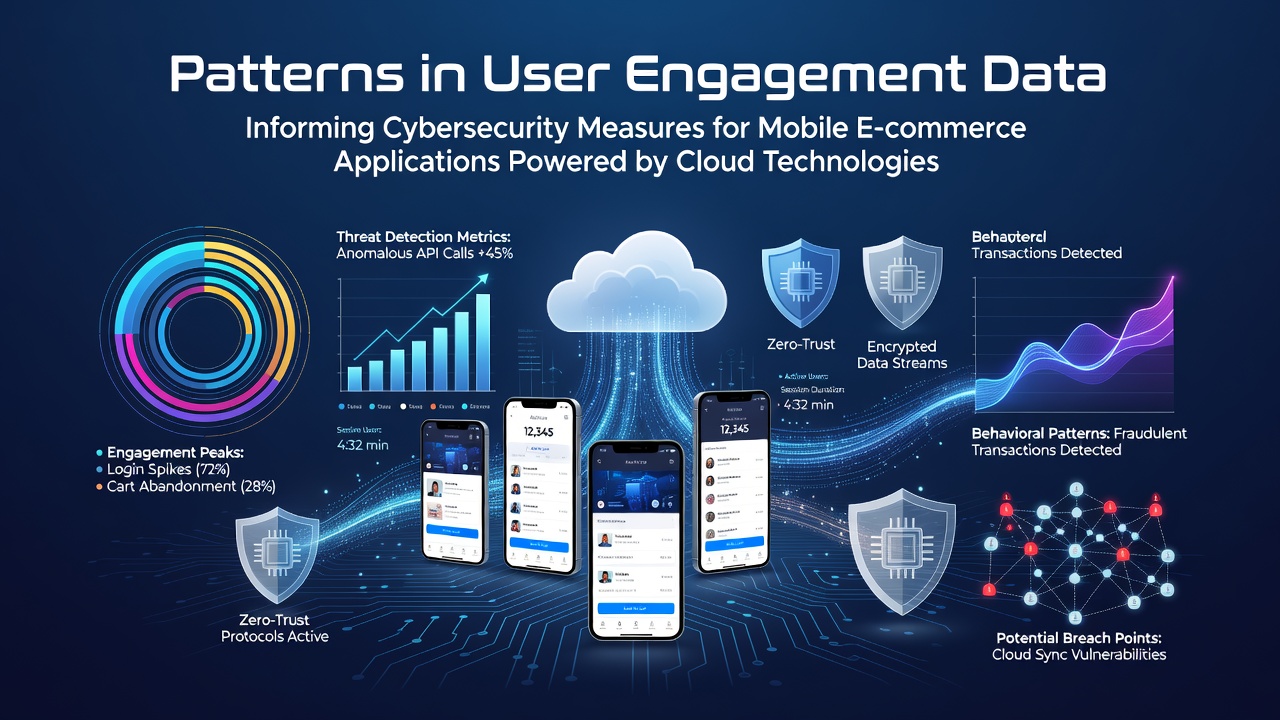
Patterns in User Engagement Data Informing Cybersecurity Measures for Mobile E-commerce Applications Powered by Cloud Technologies
Retail platforms running on mobile devices have seen engagement metrics shift dramatically since early 2025, with session lengths and interaction sequences providing raw material for security protocols in cloud-hosted environments. Researchers track these sequences through anonymized logs that capture tap rates, cart abandonment points, and navigation paths across distributed servers, allowing systems to flag deviations that often precede unauthorized access attempts.
Core Data Streams Collected in Mobile Retail Ecosystems
Cloud infrastructure captures user activity at multiple layers, from initial device authentication through checkout completion, and patterns emerge when these streams combine location signals with purchase frequency and time-of-day usage. Studies indicate that accounts showing sudden spikes in evening activity from new geographic regions frequently align with credential stuffing campaigns, prompting automated responses that increase verification steps without disrupting legitimate flows.
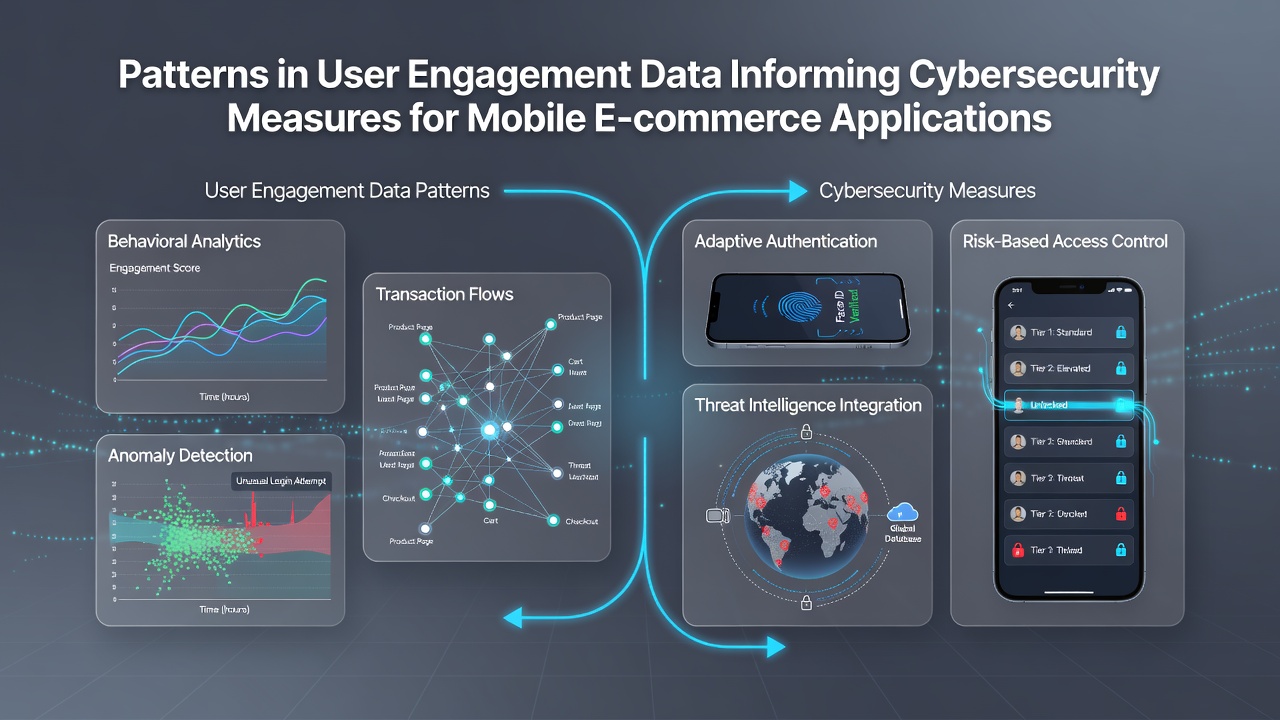
Engagement heat maps reveal clusters of rapid item views followed by long pauses, which developers correlate with bot-driven scraping operations, while human users tend toward more varied dwell times that reflect product comparison behaviors. Cloud analytics platforms process these distinctions in near real time, feeding results into access control layers that adjust permissions dynamically based on historical norms for each account segment.
Integration of Engagement Analytics with Cloud Security Frameworks
Teams deploy machine learning models on cloud instances that ingest engagement vectors such as scroll depth, search query entropy, and repeat visit intervals to establish baseline profiles, then monitor for departures that exceed predefined thresholds. Data from July 2026 deployments shows these models reducing false positive alerts by cross-referencing engagement velocity against device fingerprint stability across multiple sessions.
One documented case involved a European retail operator that linked irregular checkout acceleration patterns to compromised sessions, after which the cloud layer introduced progressive authentication that required additional biometric confirmation only when engagement signatures diverged from established routines. Similar approaches appear in North American implementations where session replay data informs rate-limiting rules that scale with observed user behavior density.
Regional Variations and Regulatory Influences
Observers note that applications serving Asia-Pacific markets often weight payment method switching frequency more heavily because regional data sets associate these switches with account takeover sequences, whereas platforms focused on North American users emphasize cart modification timing as a stronger indicator. NIST guidelines on cloud workload security encourage such tailored weighting through documented risk assessment processes that incorporate behavioral telemetry.
European operators reference ENISA incident reports that highlight correlations between engagement drop-offs and subsequent data exfiltration attempts, leading to cloud configurations that quarantine sessions exhibiting abrupt navigation reversals. These regional differences produce distinct rule sets yet share the common reliance on aggregated engagement histories stored across redundant cloud zones.
Implementation Patterns Across Development Cycles
Development teams embed engagement monitoring hooks early in application architecture so that cloud orchestration layers receive continuous telemetry without requiring separate data pipelines, and this integration reduces latency between pattern detection and response activation. Reports from mid-2026 indicate that organizations maintaining unified codebases for analytics and security functions achieve faster iteration on threshold adjustments when new engagement behaviors surface during promotional periods.
Testing regimens now include synthetic user paths that simulate both organic browsing sequences and adversarial manipulation attempts, allowing validation that security responses preserve conversion metrics while addressing identified anomalies. Cloud providers supply built-in tools that visualize these test outcomes alongside live engagement distributions, enabling precise calibration of detection sensitivity.
Conclusion
Engagement data streams continue to supply actionable signals that shape access controls and anomaly responses within cloud-supported mobile commerce applications, with regional adaptations reflecting local usage norms and regulatory expectations. Continued refinement of these linkages depends on sustained collection of high-resolution interaction records and iterative tuning of analytical models deployed across distributed infrastructure.