How Cybersecurity Shapes Data Analytics Integration in App Development for E-commerce Growth
Written by Otto Walter · May 20, 2026

How Cybersecurity Shapes Data Analytics Integration in App Development for E-commerce Growth
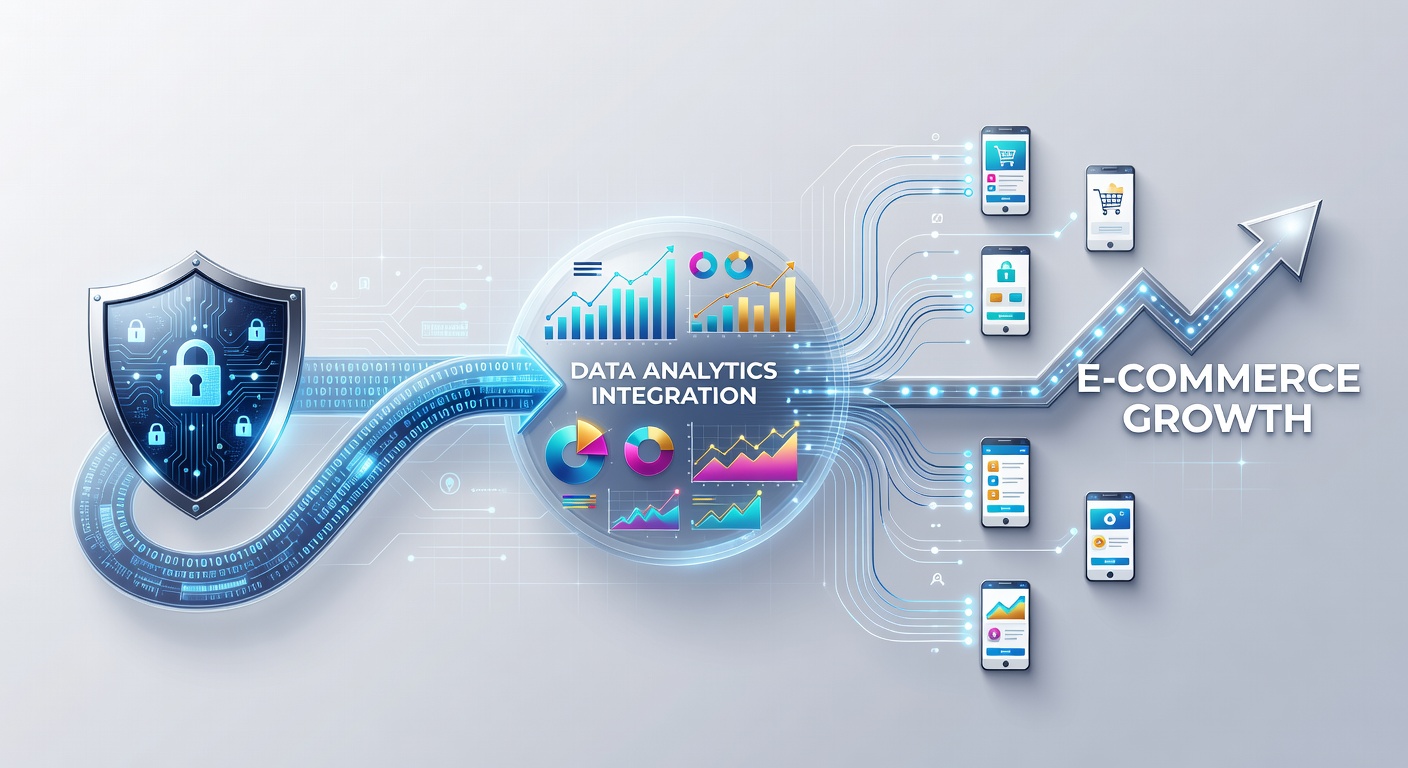
Developers working on e-commerce platforms have seen cybersecurity requirements reshape the way data analytics gets woven into application code, and this influence shows up in everything from user behavior tracking to inventory forecasting tools. Secure data pipelines must handle real-time inputs without exposing sensitive transaction details, which means encryption protocols and access controls sit at the core of any analytics module added during the build process.
Research from the National Institute of Standards and Technology highlights how frameworks for protecting consumer information now guide the selection of analytics libraries in app projects, forcing teams to audit third-party tools before integration begins. This approach keeps data streams clean while still allowing e-commerce sites to measure conversion rates and personalize recommendations without creating new vulnerabilities that attackers could exploit.
Secure Data Collection Practices in Modern App Builds
Teams start by mapping every point where customer data enters an application, then apply layered authentication that aligns with analytics goals such as segmenting buyers by purchase history. When encryption wraps each data packet at collection, downstream analytics engines can still process patterns yet remain shielded from interception during transmission across servers. Observers note that this method reduces breach risks while preserving the granularity needed for accurate demand predictions in seasonal sales periods.
As of May 2026, updates to compliance standards in multiple regions have pushed developers to embed automated logging that tracks both security events and analytics queries in the same audit trail. The result appears in apps that flag unusual access attempts instantly and feed those alerts into broader business intelligence reports used for growth planning. Such combined monitoring helps e-commerce operations maintain trust with users who expect both fast personalization and strong protection of their payment details.
Balancing Analytics Performance with Threat Mitigation
Performance testing during app development now routinely includes simulations of data exfiltration attempts to verify that analytics dashboards do not leak aggregated insights. Developers adjust query limits and anonymization routines so that trend analysis continues uninterrupted even when security rules tighten in response to detected probes. Figures from industry reports reveal that applications built with these dual priorities experience fewer service disruptions during high-traffic events like flash sales.
One documented case involved a mid-sized retailer whose development team introduced token-based data masking early in the analytics layer, allowing machine learning models to forecast inventory needs without ever exposing individual customer identifiers. This technique satisfied both internal growth metrics and external regulatory reviews, showing how cybersecurity constraints can steer technical decisions toward more robust overall architectures rather than slowing progress.
Regulatory Drivers and Their Effect on Integration Timelines
Standards set by bodies such as the European Union Agency for Cybersecurity require documented proof that analytics functions cannot be repurposed to bypass privacy safeguards, which adds review stages to typical development sprints. Teams respond by building modular components that isolate analytics workloads inside protected environments, making it easier to demonstrate compliance during audits. Data from these controlled setups still supports the detailed reporting that drives e-commerce expansion strategies across global markets.
What's interesting is how these requirements have encouraged closer collaboration between security specialists and data scientists from the outset of projects. When both groups review data schemas together, integration points receive protections that scale with growing user bases without requiring later refactoring. Such coordination has become standard in projects aiming to support expanding product catalogs and international shipping calculations.
Future-Proofing Growth Through Combined Safeguards
Long-term roadmaps for e-commerce applications increasingly treat cybersecurity measures as enablers for deeper analytics rather than separate overhead. Secure multi-party computation techniques, for instance, let platforms share aggregated trend data with partners while keeping raw records internal, which opens avenues for joint marketing efforts grounded in reliable figures. This method supports sustained growth by maintaining the data integrity that customers and regulators both demand.
Conclusion
Developers continue to refine integration patterns that let analytics deliver actionable insights while cybersecurity protocols guard every step of data movement inside e-commerce apps. The patterns established through ongoing regulatory updates and practical testing provide a foundation that scales with business needs, ensuring platforms can expand their analytical capabilities without compromising the protections users rely on during every transaction.