Data Usage Trends Reshaping Security Protocols in Cloud-Hosted Retail Systems
Written by Elena Jung · Jul 31, 2026
Data Usage Trends Reshaping Security Protocols in Cloud-Hosted Retail Systems
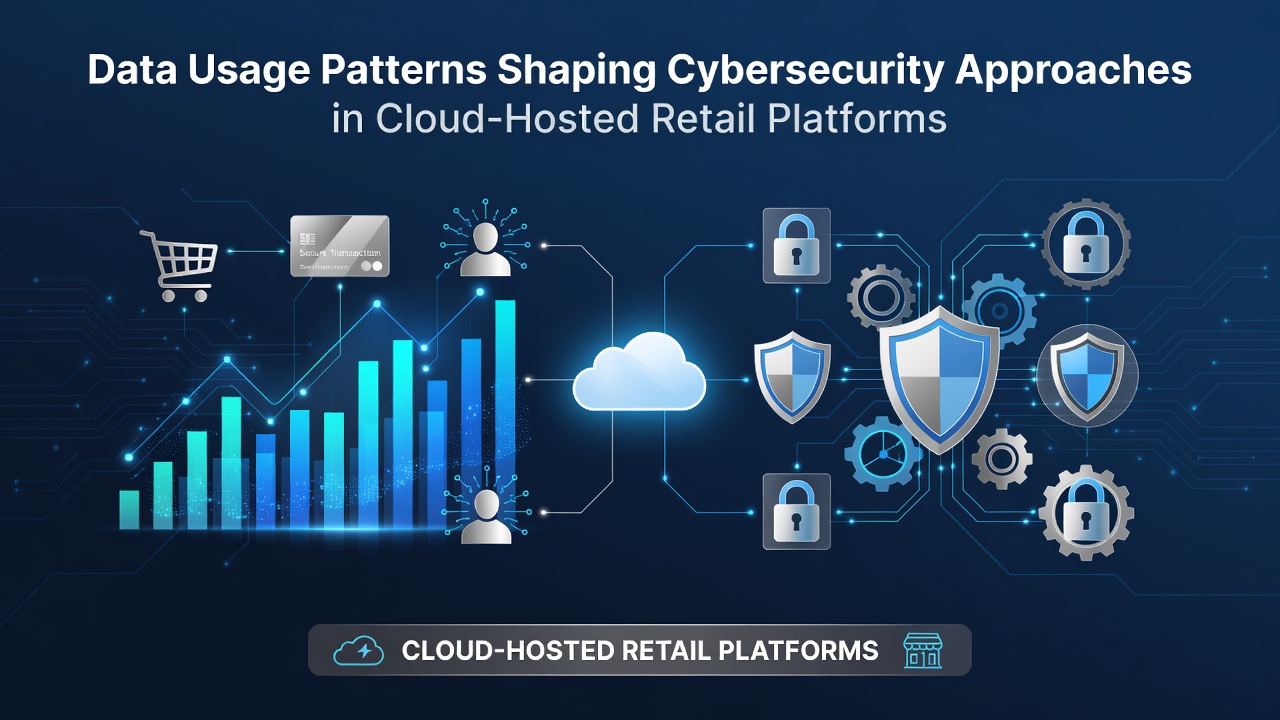
Retail platforms hosted in cloud environments generate continuous streams of transaction records, customer behavior logs, and inventory updates that organizations now track with increasing precision. These data flows reveal usage patterns that directly inform how security teams configure access controls, monitor anomalies, and allocate protective resources. Observers note that patterns such as peak-hour transaction spikes or geographic shifts in access requests have become reliable indicators for adjusting firewall rules and encryption thresholds in real time.
Core Data Patterns Emerging in Retail Cloud Operations
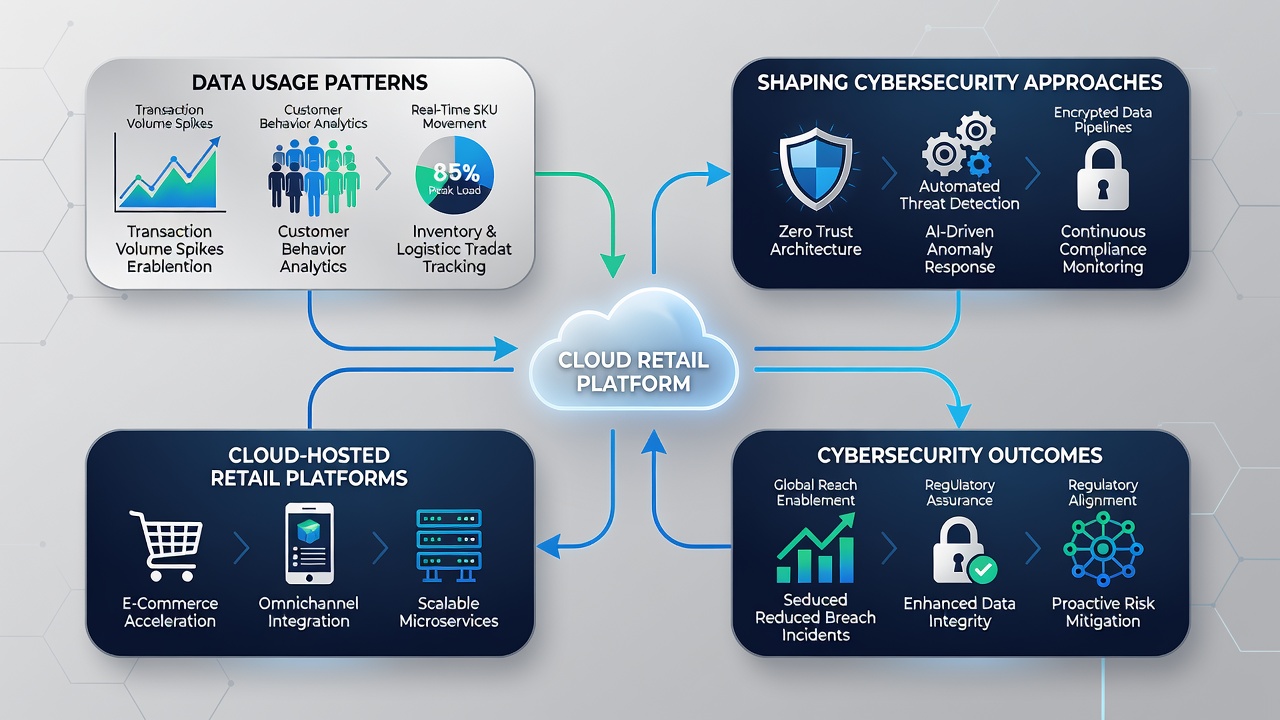
Studies from multiple regions document recurring patterns in how retail data moves through cloud infrastructures. High-volume periods around promotional events produce concentrated bursts of personally identifiable information, while off-peak hours see steadier streams of automated inventory queries from supplier systems. Researchers tracking these movements report that seasonal variations in mobile versus desktop traffic volumes often correlate with changes in attempted intrusion rates, prompting security teams to scale monitoring intensity accordingly.
Geographic distribution adds another layer. Data originating from regions with stricter privacy regulations tends to trigger more frequent encryption handshakes, and analysts at institutions such as the National Institute of Standards and Technology have mapped how these regional differences influence baseline security configurations across global retail deployments. Patterns also surface in session duration metrics, where shorter mobile sessions coincide with elevated authentication failures that security platforms now flag earlier in the transaction pipeline.
Adjustments to Threat Detection and Response Mechanisms
Security architectures adapt when usage data shows consistent correlations between specific traffic signatures and breach attempts. Cloud providers serving retail clients have integrated machine learning models that ingest live usage statistics to refine anomaly detection thresholds, reducing false positives during high-traffic windows. Evidence from operational deployments indicates that teams relying on these adaptive models achieve faster isolation of compromised accounts compared with static rule sets.
Resource allocation follows the same logic. When data patterns highlight sustained growth in API calls from third-party logistics partners, organizations often shift defensive emphasis toward endpoint validation and token rotation schedules. This targeted approach appears in reports covering operations through mid-2026, where July figures from several large retail networks showed measurable declines in lateral movement incidents after usage-based policy updates took effect.
Integration with Compliance and Governance Frameworks
Regulatory bodies across different jurisdictions now reference usage pattern analysis when updating cloud security guidance for retail operators. The European Union Agency for Cybersecurity (ENISA) has published materials noting that continuous monitoring of data access frequency helps organizations demonstrate compliance with data minimization principles. Retail platforms that align their logging practices with these observed patterns report smoother audit outcomes because they can produce clear evidence of risk-based control adjustments.
Academic research groups have examined similar dynamics in distributed retail environments, finding that usage-derived metrics support more granular role-based access assignments. Teams that map employee activity profiles against transaction volume trends reduce the attack surface without disrupting daily operations, and these findings continue to influence platform design choices in 2026.
Practical Implementation Across Retail Environments
Case examples illustrate the shift. One large online grocer adjusted its cloud security posture after usage logs revealed recurring spikes in cross-border payment attempts during specific time windows, leading to dynamic rate limiting tied directly to those patterns. Another retailer handling fashion inventory integrated usage telemetry into its incident response playbooks, enabling quicker revocation of session tokens when data volumes deviated from established baselines.
These implementations rely on standardized interfaces that allow security tools to ingest usage data without introducing latency into customer-facing services. The result is a feedback loop where observed patterns refine protective measures, and the updated measures in turn generate cleaner data for future analysis.
Conclusion
Data usage patterns continue to supply actionable signals that shape cybersecurity configurations in cloud-hosted retail platforms. Organizations that systematically track transaction volumes, geographic access trends, and session characteristics gain clearer visibility into where defenses require reinforcement. As these practices mature, the connection between usage analytics and security outcomes becomes more direct, supporting both operational resilience and regulatory alignment across retail cloud deployments.