Data Pattern Shifts Guiding Resource Allocation Between Development Cycles and Protection Measures in Virtual Retail Systems
Written by Casey Krüger · Jun 5, 2026
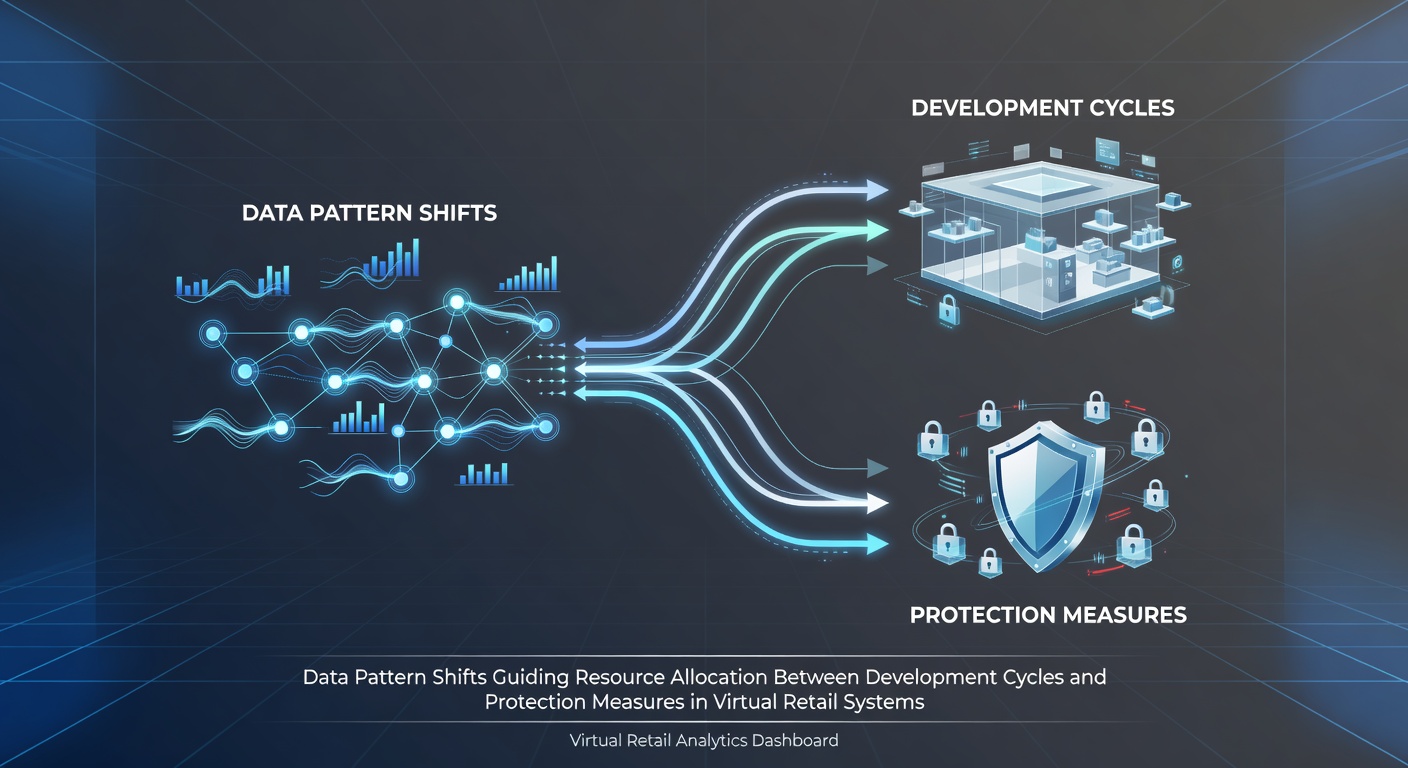
Data Pattern Shifts Guiding Resource Allocation Between Development Cycles and Protection Measures in Virtual Retail Systems
Virtual retail systems process vast streams of transaction data, user behavior logs, and security telemetry every day, and these flows reveal patterns that directly influence how organizations divide resources between ongoing development cycles and protection measures. Retail platforms track everything from cart abandonment rates to attempted intrusions, and analysts examine these datasets to determine where engineering hours and budget lines should move next. When purchase velocity spikes in certain regions while anomalous login attempts cluster around payment gateways, teams adjust priorities without waiting for quarterly reviews.
Tracking Shifts in Transaction and Threat Data
Retail operators collect granular metrics on order volumes, return frequencies, and device fingerprints, then layer threat indicators such as failed authentication attempts and unusual API call sequences on top of the same datasets. Researchers at institutions like the National Institute of Standards and Technology have documented how combined telemetry feeds allow platforms to detect when normal buying rhythms deviate, prompting reallocation of developer time away from feature enhancements and toward hardened checkout flows. In practice this means a surge in mobile traffic from new geographic zones can trigger immediate code reviews for session management rather than continued work on recommendation engines.
June 2026 brought additional clarity to these dynamics as several large platforms published aggregated findings showing that seasonal campaign periods coincided with elevated credential-stuffing activity. Teams responded by shifting sprint capacity toward rate-limiting modules and multi-factor authentication upgrades while pausing planned loyalty-program integrations. The same datasets also highlighted periods of stable threat levels during which organizations accelerated work on personalized search features because protection overhead remained within budgeted thresholds.
Allocating Engineering Capacity Across Cycles
Development cycles in virtual retail environments typically span two to four weeks and include tasks ranging from UI component updates to backend inventory synchronization. Data pattern analysis supplies the signals that determine how many engineers move between these tasks and parallel security initiatives. When metrics show rising latency on product detail pages during peak hours, resources often flow back to performance tuning, yet a simultaneous uptick in account takeover attempts can override that direction and redirect the same engineers toward token rotation services.
Organizations maintain dashboards that correlate business-key-performance indicators with security-event counts, allowing product owners to see in real time whether a proposed feature release carries acceptable risk exposure. Observers note that this visibility reduces the frequency of emergency patches because allocation decisions incorporate threat forecasts generated from the prior three to six months of logs. Those forecasts rely on machine-learning models trained on historical breach data and current traffic baselines, producing probability scores that guide whether a sprint should emphasize encryption upgrades or new search filters.
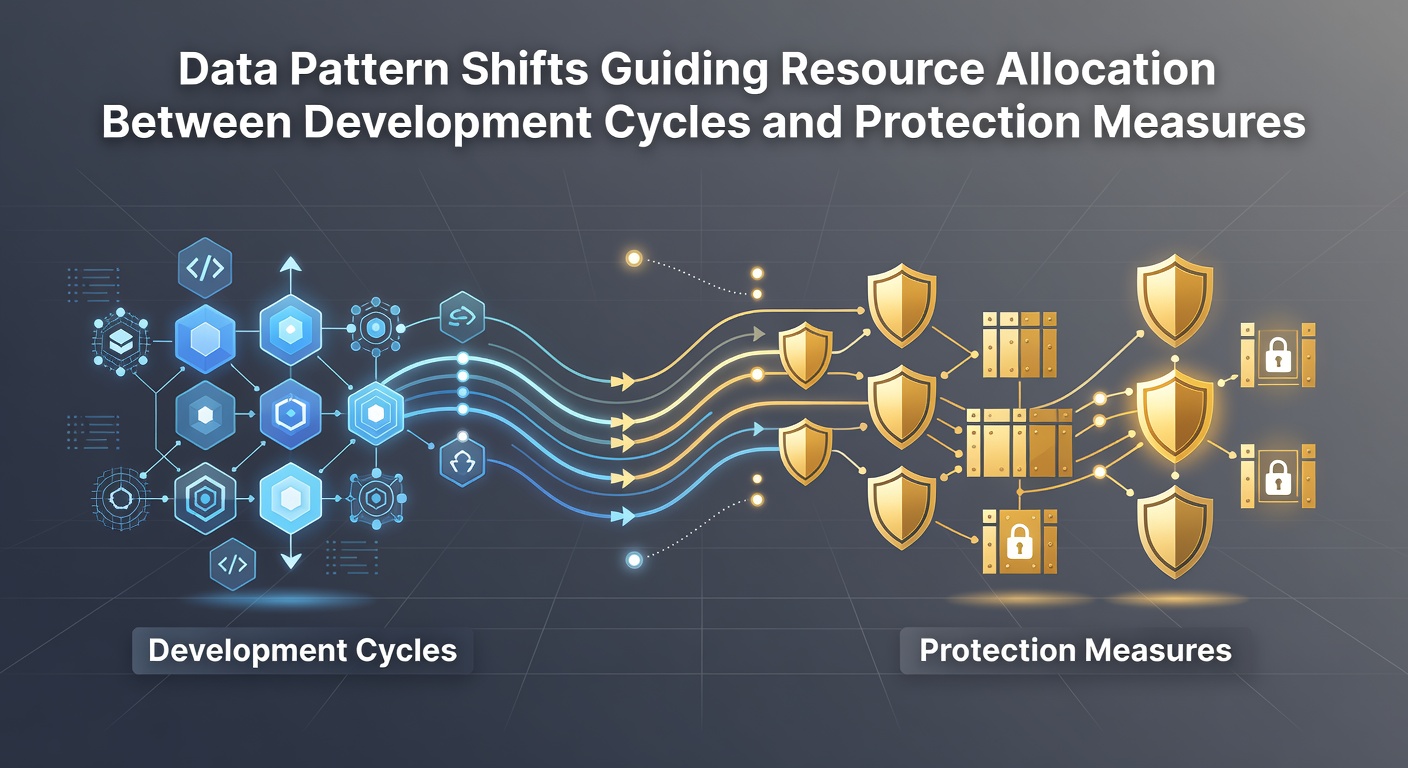
Integrating Protection Measures Without Disrupting Release Cadence
Protection measures such as web-application firewalls, anomaly-detection agents, and encryption-at-rest policies require continuous tuning that competes with feature work for the same developer attention. Data pattern shifts supply the justification for temporary reallocation by quantifying the expected impact of each measure. For instance, when log analysis reveals that 18 percent of checkout attempts originate from known proxy networks, engineering leads can justify inserting additional validation layers into the current cycle rather than deferring them to a future release.
European Union Agency for Cybersecurity reports have outlined frameworks that encourage retail operators to embed these decisions inside existing agile ceremonies. Daily stand-ups now routinely include brief reviews of overnight threat telemetry, and teams adjust task boards accordingly. This approach keeps release trains moving while ensuring that protection updates receive priority proportional to observed risk levels rather than fixed calendar slots.
Case Examples from Platform Operations
One North American retailer adjusted its roadmap after internal telemetry showed that gift-card fraud attempts doubled during a promotional flash sale. Within 48 hours the company reassigned three backend developers from an abandoned-cart recovery feature to implement velocity checks on gift-card redemptions, while security analysts refined rulesets for the existing fraud-detection service. Subsequent data indicated the intervention reduced successful fraud by 64 percent during the remainder of the campaign period.
Another operator in the Asia-Pacific region used similar pattern analysis to balance work between mobile-app enhancements and API hardening. When logs indicated that third-party marketplace integrations generated the majority of anomalous requests, the team postponed a planned push-notification campaign and instead expanded input-sanitization routines. The reallocation maintained overall sprint velocity because the security tasks aligned with existing code-review processes already scheduled for that iteration.
Conclusion
Data pattern shifts continue to serve as the primary mechanism for guiding resource allocation between development cycles and protection measures across virtual retail systems. By combining transaction metrics with threat telemetry, organizations obtain actionable signals that determine whether engineering capacity should emphasize new functionality or strengthened defenses at any given moment. As platforms refine their analytical capabilities, these allocation decisions become more granular and more closely synchronized with release cadences, supporting both operational continuity and risk reduction without requiring separate governance structures.