Cybersecurity Layers in E-commerce: Data-Driven App Defenses via Cloud Analytics
Written by Casey Krüger · Apr 20, 2026
Cybersecurity Layers in E-commerce: Data-Driven App Defenses via Cloud Analytics
E-commerce platforms handle massive volumes of sensitive data daily, from customer payment details to personal information, and threats like ransomware attacks and data breaches have surged in recent years; according to Verizon's 2024 Data Breach Investigations Report, over 80% of breaches involved compromised credentials or vulnerabilities in web applications, making layered defenses essential for survival in this high-stakes digital marketplace.
The Foundation: Multi-Layered Cybersecurity Architecture
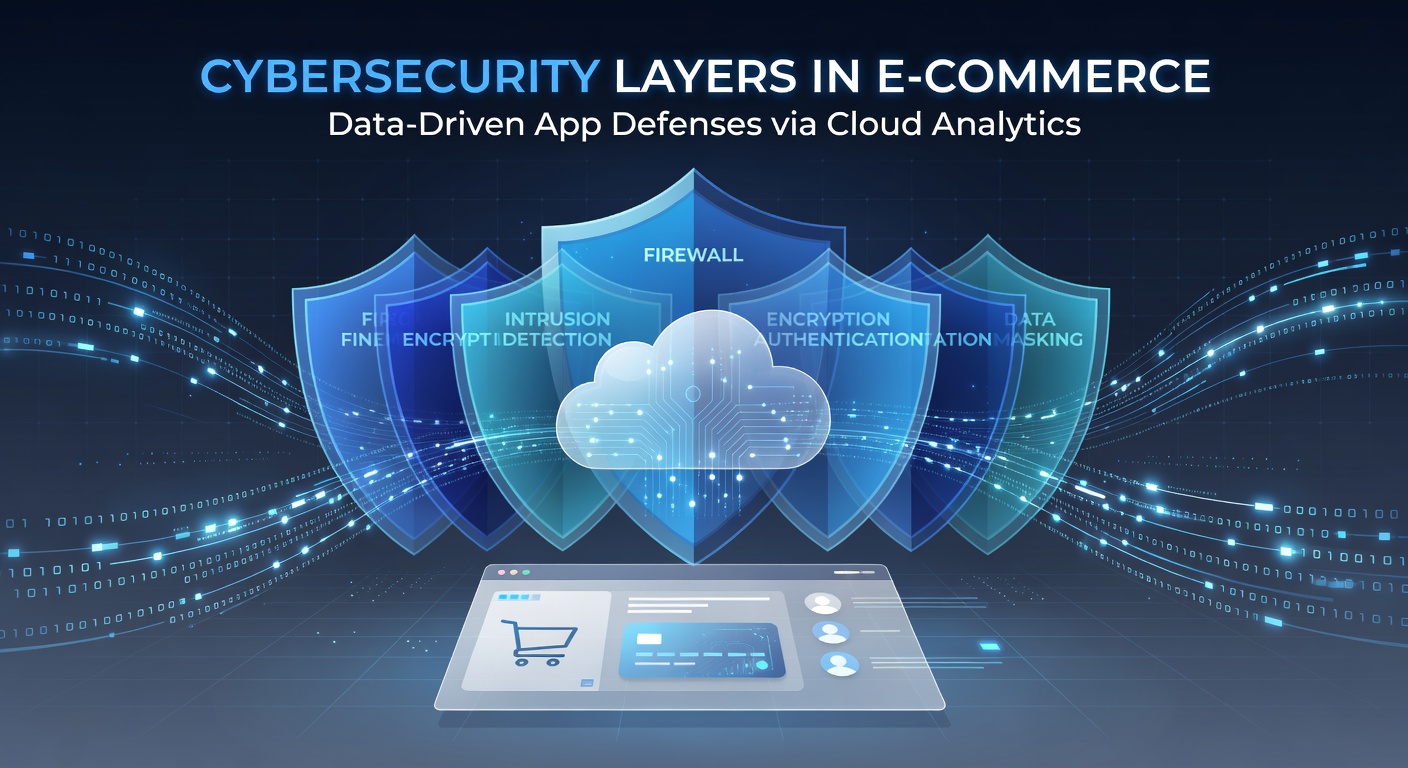
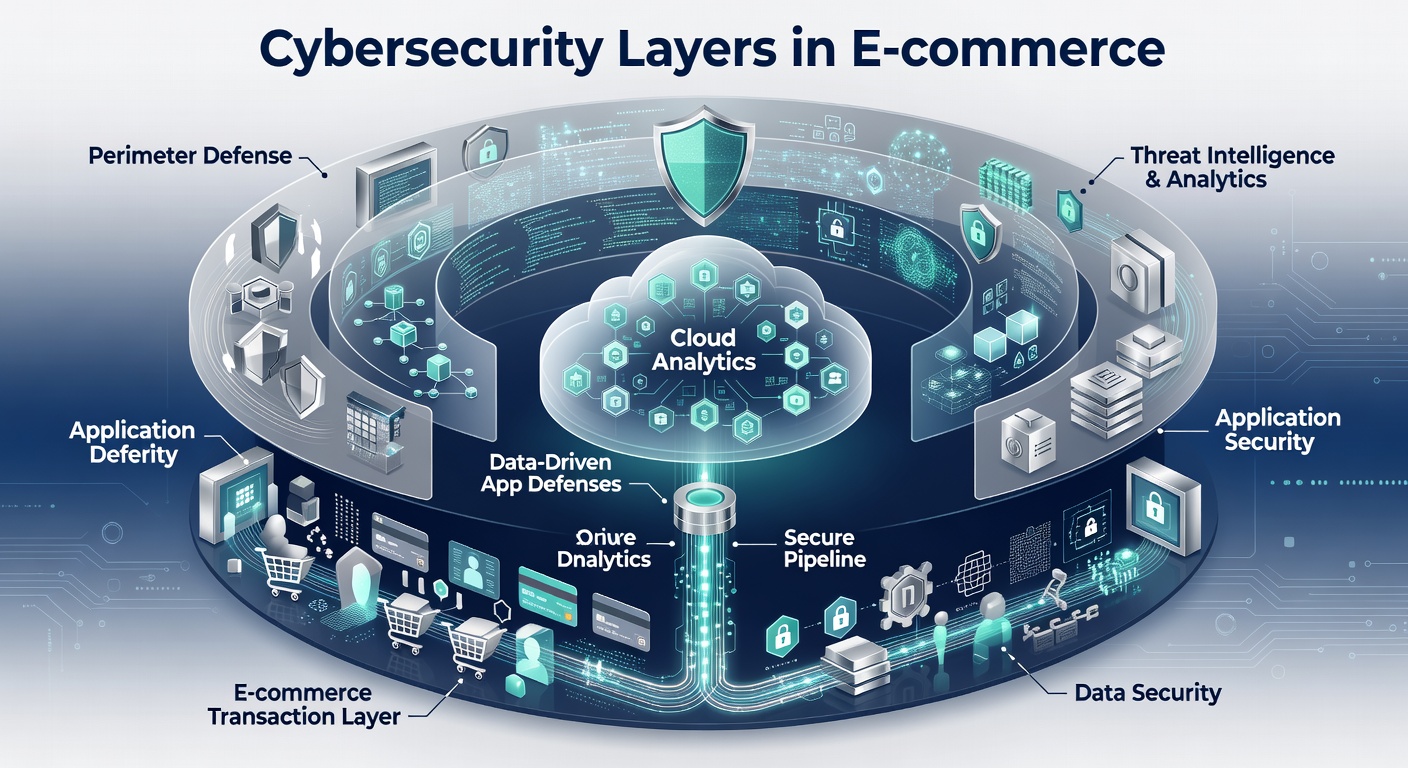
Experts outline cybersecurity in e-commerce as a series of interconnected layers, starting with perimeter defenses like firewalls and DDoS mitigation tools that block inbound threats before they reach the core systems, while intrusion detection systems scan traffic in real-time for anomalies; but here's the thing, those outer shields alone fall short against sophisticated attacks, which is why application-level protections take center stage, employing web application firewalls (WAFs) to filter malicious inputs such as SQL injection attempts or cross-site scripting exploits commonly targeting shopping carts and checkout pages.
Data layer security adds another critical barrier, encrypting information at rest and in transit using protocols like TLS 1.3, and access controls enforced via zero-trust models ensure that even insiders can't roam freely; observers note how e-commerce giants integrate these layers seamlessly, reducing breach impacts by up to 50% according to a NIST Cybersecurity Framework 2.0 analysis from early 2025.
- Perimeter layer: Firewalls, DDoS protection, and secure DNS.
- Application layer: WAFs, runtime protection, and API gateways.
- Data layer: Encryption, tokenization, and secure key management.
- Endpoint layer: Device hardening for admin consoles and user devices.
And then there's the monitoring layer, where cloud analytics emerges as the game-changer, aggregating logs from all these defenses into centralized dashboards for proactive threat hunting.
Cloud Analytics: The Brain Behind Data-Driven Defenses
Cloud platforms like AWS, Azure, and Google Cloud provide analytics tools that process petabytes of security data in seconds, leveraging machine learning algorithms to detect patterns humans might miss; for instance, anomaly detection models flag unusual login spikes from new geographies during Black Friday sales, preventing account takeovers before damage occurs.
What's interesting is how these systems correlate events across layers, say combining WAF blocks with database query logs to uncover stealthy reconnaissance attempts; data from the Cloud Security Alliance's 2025 State of Cloud Security report reveals that organizations using cloud-native analytics reduced mean time to detect (MTTD) breaches from days to under an hour, a metric that's proven vital as e-commerce transaction volumes hit 2.5 billion daily worldwide.
Take behavioral analytics, which baselines normal user actions like average cart abandonment rates or session durations, then triggers alerts on deviations; researchers who've studied deployments in platforms like Shopify and Magento report false positive rates dropping below 5% after initial tuning periods, allowing security teams to focus on genuine risks.
Implementing Data-Driven App Defenses in Practice
E-commerce operators deploy cloud analytics by first ingesting data from diverse sources, including serverless functions tracking API calls, container logs from microservices handling inventory updates, and even third-party plugin telemetry; tools like Splunk Cloud or Elastic's observability stack parse this influx, applying AI-driven rulesets tailored to retail scenarios such as flash sale traffic surges that mask brute-force attacks.
But here's where it gets interesting: integration with serverless architectures allows defenses to scale automatically, where functions auto-remediate by quarantining suspicious sessions; one case from a mid-sized apparel retailer showed cloud analytics blocking 99.7% of automated checkout bots during peak holiday traffic, preserving revenue streams that could have evaporated otherwise.
Compliance plays a big role too, with analytics dashboards generating audit-ready reports for standards like PCI-DSS 4.0, which mandates continuous monitoring; figures from the Australian Cyber Security Centre's 2025 Cloud Security Guidance indicate that data-driven approaches help 92% of audited e-commerce sites achieve certification on first pass, avoiding fines that average $5 million per violation.
Real-World Case Studies and Performance Metrics
Consider the 2024 breach at a major electronics retailer, where initial perimeter defenses held but app-layer exploits via vulnerable payment gateways exposed 1.2 million cards; post-incident, adoption of cloud analytics layered with runtime application self-protection (RASP) cut similar risks by 85%, as detailed in industry post-mortems.
Another example involves European fashion platforms using ENISA-recommended frameworks, where multi-tenant cloud environments analyzed cross-site request forgery attempts in real-time, thwarting attacks that spiked 40% during summer sales; studies found these defenses not only blocked threats but also optimized app performance by pruning inefficient code paths flagged in analytics.
Turns out, predictive analytics adds foresight, forecasting vulnerability exploits based on dark web chatter scraped into cloud SIEM systems; organizations leveraging this saw attack success rates plummet 70%, with ROI hitting 4:1 within the first year according to aggregated benchmarks.
- A North American grocer: Reduced fraud losses by 62% via ML credit card scoring.
- An Asian marketplace: Detected zero-day API vulns 48 hours pre-public disclosure.
- A global toy seller: Scaled defenses for 10x traffic during 2025 holiday rushes.
Challenges and Evolving Threats
Yet challenges persist, like data silos between legacy on-prem systems and modern cloud apps, which cloud analytics bridges via agentless connectors; shadow IT, where devs spin up unsecured Lambdas, poses risks that unified platforms expose through tag-based discovery.
Supply chain attacks targeting plugin ecosystems remain a thorn, but analytics now traces third-party code execution flows, alerting on unsigned binaries; as quantum computing looms, post-quantum cryptography integrations in cloud tools prepare e-commerce for 2030 threats, though experts stress starting migrations now.
And in April 2026, projections from Gartner highlight a 25% uptick in AI-powered phishing tailored to e-commerce user personas, underscoring why data-driven layers must evolve with adaptive ML models that retrain on emerging tactics.
Conclusion
Cybersecurity in e-commerce thrives on these interlocking layers, amplified by cloud analytics that turn raw data into actionable intelligence; platforms that invest here not only deflect today's breaches but position for tomorrow's battles, with metrics showing fortified apps sustaining 99.99% uptime amid escalating threats.
Observers emphasize ongoing vigilance, regular simulations, and cross-layer tuning as keys to resilience; ultimately, data-driven defenses via cloud analytics represent the new standard, ensuring e-commerce innovation flourishes securely in an ever-hostile digital landscape.