Coordinating Infrastructure Maintenance with Promotion Efforts in Fortified Virtual Retail Systems
Written by Yara Keller · Jul 20, 2026

Coordinating Infrastructure Maintenance with Promotion Efforts in Fortified Virtual Retail Systems
Virtual retail platforms face constant pressure to keep secure systems running while launching timed promotions that drive sales spikes, and observers note that successful operations depend on aligning infrastructure maintenance windows with marketing calendars rather than treating them as separate tracks. Data from industry reports shows that downtime during peak promotional periods can reduce conversion rates by measurable margins, which pushes teams to map server updates, security patches, and load balancing adjustments directly onto campaign timelines.
Mapping Maintenance Cycles to Campaign Schedules
Retail operators track user traffic patterns through analytics tools that highlight when promotional events such as flash sales or seasonal pushes generate the highest volume, and those same datasets help forecast the bandwidth and processing power required during those windows. Researchers at several institutions have documented how maintenance tasks, including database optimizations and firewall rule updates, get slotted into lower-traffic intervals that precede major campaigns, allowing fortified systems to absorb sudden demand without exposing vulnerabilities. This coordination reduces the risk of mid-promotion outages that previously forced manual interventions and delayed rollout of new product listings.
One documented approach involves creating shared project boards where infrastructure leads and marketing managers input their deadlines side by side, revealing overlaps that might otherwise surface only after conflicts arise. Evidence from multiple platform audits indicates that teams using these joint calendars complete both maintenance and promotion objectives with fewer rollbacks, because security scans finish before traffic surges begin rather than competing for the same server resources.
Security Protocols During Promotional Windows
Fortified virtual retail environments rely on layered defenses that include real-time threat monitoring and automated patch deployment, yet these measures require careful timing so they do not interrupt checkout flows or inventory updates tied to active campaigns. According to guidance from the NIST Cybersecurity Framework, organizations that schedule vulnerability assessments ahead of high-traffic promotions maintain higher compliance scores while preserving system availability. The framework outlines steps for identifying critical assets and establishing maintenance cadences that align with business objectives, including revenue events driven by digital marketing.
Additional safeguards come from segmenting production environments so that maintenance on non-customer-facing components can proceed without touching live promotional pages. Studies of e-commerce deployments reveal that containerized architectures allow isolated updates to backend services while front-end promotions continue uninterrupted, cutting the average time between patch application and full operational status.
Data-Driven Resource Allocation
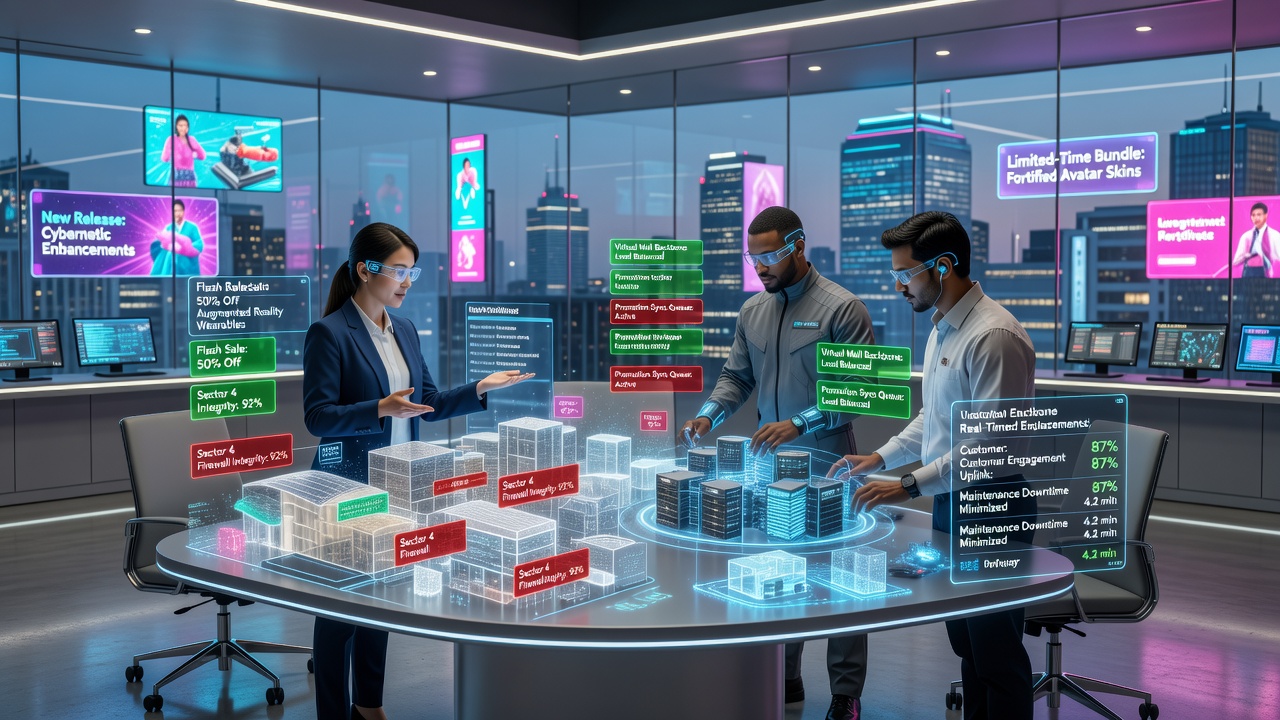
Analytics platforms now feed both security teams and marketing departments with unified dashboards that display projected load alongside known maintenance requirements, and this shared visibility supports decisions about when to throttle non-essential services during campaigns. Figures from Canadian government analyses of digital commerce show that retailers who integrate these datasets allocate staff hours more efficiently, because infrastructure work gets completed during planned lulls rather than emergency windows. The result appears in fewer incidents where promotional content fails to load because underlying servers undergo unscheduled restarts.
Resource models also incorporate geographic traffic variations, since global user bases experience peak hours at different times, allowing maintenance in one region to run while another region handles promotion-driven activity. Those who've examined distributed systems note that such staggered scheduling keeps overall platform resilience high without sacrificing campaign momentum.
Integration with Broader Retail Technology Stacks
Modern virtual retail setups combine content delivery networks, inventory management databases, and customer relationship tools, all of which require periodic maintenance that must not collide with promotional pushes. Research indicates that organizations embedding maintenance checkpoints into their campaign planning software experience smoother launches, because alerts surface early enough for adjustments before customer-facing elements go live. This practice draws on established patterns in cloud resource management where predictive scaling anticipates both security needs and marketing demand.
As of July 2026, several large platforms report continued refinement of these integrated calendars, incorporating machine learning outputs that predict both traffic anomalies and emerging security threats with increasing accuracy. The approach keeps fortified systems responsive to market shifts while preserving the uptime required for revenue-generating promotions.
Conclusion
Coordinating infrastructure maintenance with promotion efforts in fortified virtual retail systems produces measurable gains in uptime and security posture when teams rely on shared data and synchronized planning. Reports from multiple regions confirm that retailers adopting these methods sustain campaign performance without compromising the defensive layers that protect customer data and transaction integrity. Continued evolution of analytics and scheduling tools supports ongoing alignment between technical upkeep and marketing execution across expanding digital commerce environments.