Consumer Habit Changes Redirecting Focus Between App Refinements and Cybersecurity in Data-Driven Online Retail Systems
Written by Otto Walter · Jun 22, 2026
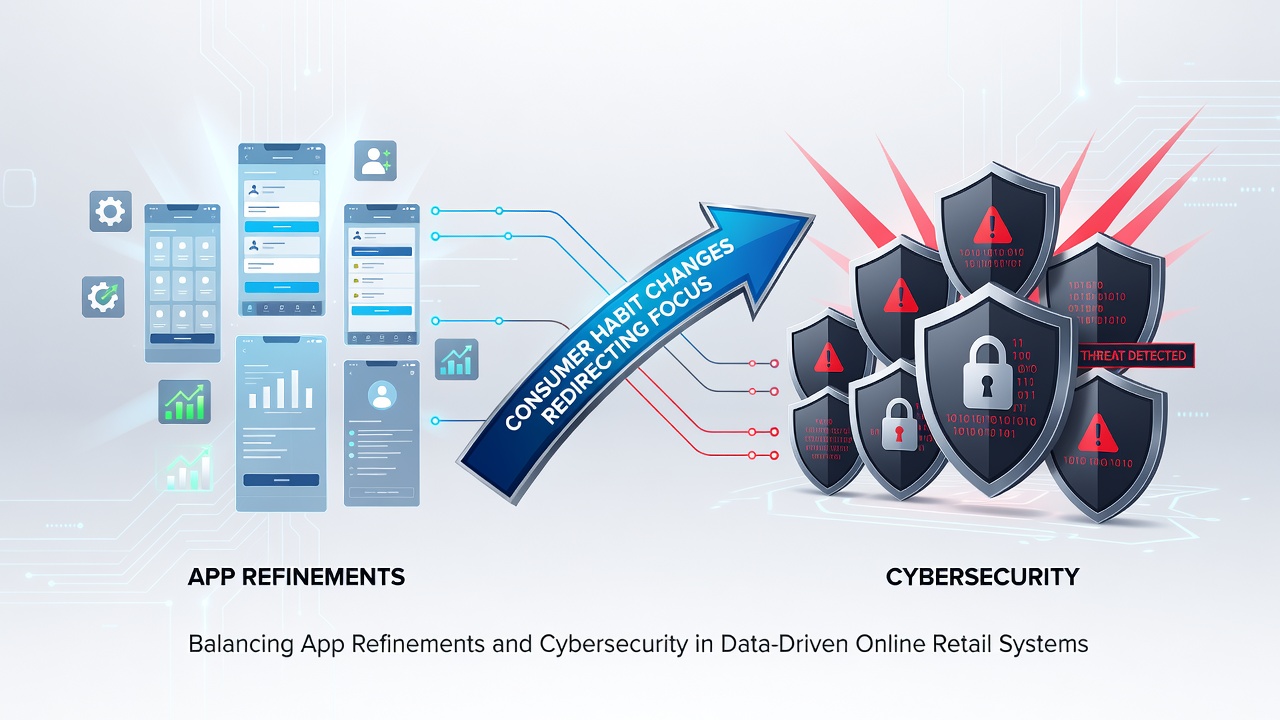
Consumer Habit Changes Redirecting Focus Between App Refinements and Cybersecurity in Data-Driven Online Retail Systems
Shifts in how people shop online have pushed retail platforms to adjust their priorities between smoothing out app features and strengthening security protocols, all while relying on data streams to guide those choices. Consumer patterns moved toward more frequent mobile interactions and demand for instant personalization after 2023, which forced companies to track behavior metrics closely and reallocate development budgets accordingly.
Tracking Changes in Shopping Behaviors
Data from multiple regions shows that buyers now complete a larger share of transactions through apps rather than desktop sites, with mobile sessions rising steadily through the first half of 2026. Retailers respond by refining navigation flows, adding one-tap checkout options, and integrating real-time recommendation engines that draw from purchase histories and browsing sequences. Those adjustments aim to reduce friction points that previously caused cart abandonment, yet they also generate larger volumes of user data that require careful handling.
At the same time, awareness of data exposure has grown among shoppers, leading many to favor platforms that display clear privacy controls and quick account recovery steps. Surveys conducted by government agencies in North America and Europe reveal that a growing percentage of users abandon apps when they encounter unclear security prompts or repeated permission requests. This dual pressure creates a situation where refinement teams and security groups must coordinate their roadmaps instead of working in separate silos.
Data Analytics as the Decision Framework
Online retailers rely on aggregated analytics platforms to decide where resources go next, whether that means updating interface elements or patching authentication layers. Machine learning models process login patterns, session durations, and device fingerprints to flag areas where user drop-off coincides with potential vulnerability points. When analytics highlight that certain app screens coincide with higher rates of credential stuffing attempts, teams often pause feature additions until verification flows receive updates.
Reports issued by the Australian Bureau of Statistics in early 2026 documented how e-commerce operators adjusted spending after observing that security-related incidents correlated with seasonal spikes in mobile traffic. Those findings encouraged firms to run controlled tests that measured both conversion rates and incident counts before approving new design iterations. The approach keeps development cycles aligned with actual risk exposure rather than following trends alone.
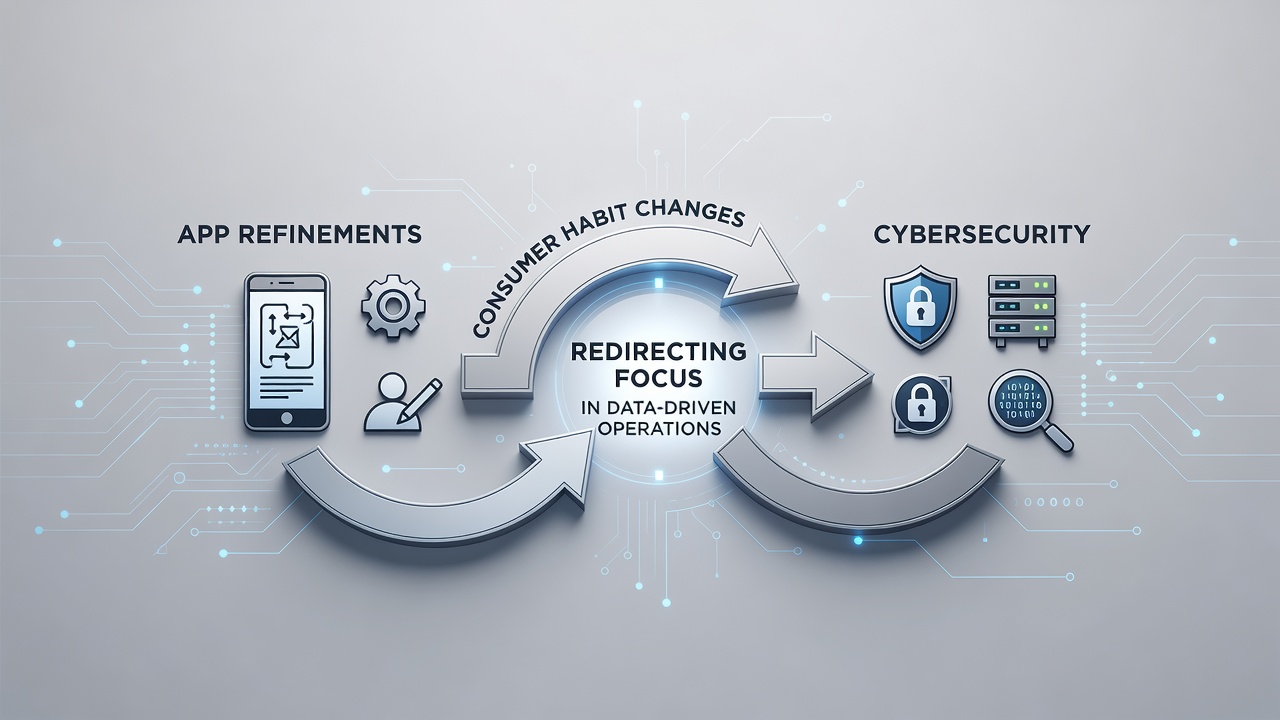
Balancing Interface Updates with Protection Layers
App refinement work typically focuses on loading speed, visual consistency across devices, and integration of payment methods that match regional preferences. Cybersecurity efforts, meanwhile, concentrate on encryption standards, anomaly detection during transactions, and compliance with frameworks such as those outlined by the European Data Protection Board. The two areas intersect when new features require access to additional data fields or when updated interfaces change how authentication occurs.
One observed pattern involves retailers running parallel sprints where interface changes receive security reviews at each milestone. This method prevents situations where a polished checkout screen inadvertently weakens token validation routines. Companies that adopted such integrated reviews reported fewer post-launch patches in the months following major updates, according to internal metrics shared in industry briefings.
Regional Variations in Priority Setting
North American platforms tend to emphasize rapid feature releases tied to consumer habit data from sources like the U.S. Census Bureau's quarterly e-commerce reports, while European operators place heavier weight on regulatory alignment that affects both app design and data handling. In June 2026, several mid-sized retailers adjusted their quarterly plans after reviewing combined datasets that linked habit shifts with threat intelligence feeds. Those adjustments resulted in temporary holds on certain personalization modules until multi-factor options expanded across user accounts.
Asian markets show similar patterns, with emphasis on localized payment integrations that demand specific security certifications before rollout. Analytics teams in these regions track how habit changes during promotional events influence the volume of suspicious access attempts, allowing them to scale cloud resources dynamically rather than applying blanket increases.
Conclusion
The ongoing redirection of focus between app refinements and cybersecurity stems directly from measurable changes in consumer behavior and the data those behaviors produce. Retail systems continue to use analytics to identify where interface improvements deliver value without elevating exposure levels, maintaining operational balance as habits evolve. This data-guided coordination supports consistent platform performance across different regulatory environments and user expectations.