Bridging Tech Consulting with Data Analytics to Fortify Cybersecurity in Web-Based Retail Operations
Written by Otto Walter · May 22, 2026
Bridging Tech Consulting with Data Analytics to Fortify Cybersecurity in Web-Based Retail Operations
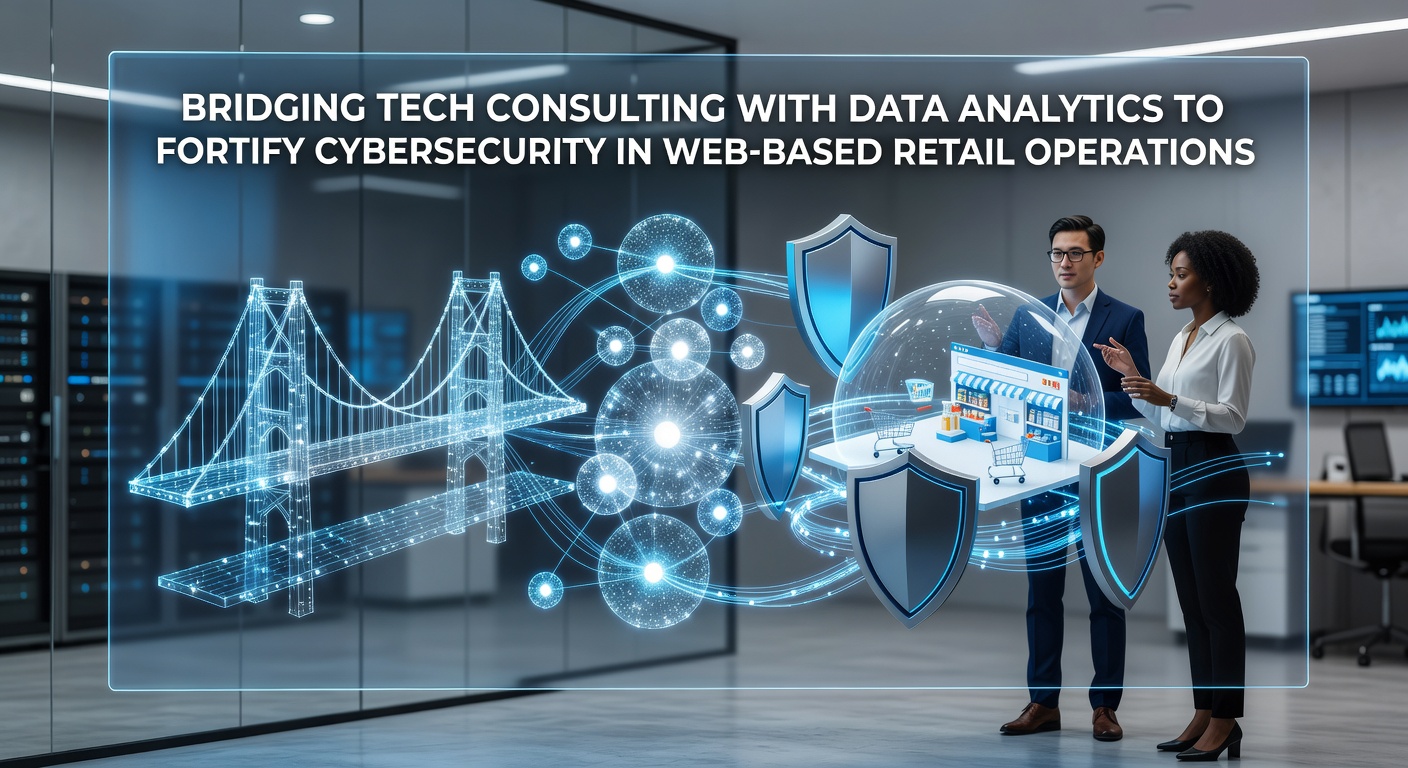
Web-based retail operations face constant pressure from evolving cyber threats that target customer data, payment systems, and supply chain networks, and tech consulting firms have started combining their advisory services with data analytics tools to build layered defenses that adapt in real time.
How Tech Consultants Apply Analytics to Retail Systems
Consultants examine transaction logs, user behavior patterns, and network traffic volumes to identify weak points before attackers exploit them, and this approach draws on statistical models that flag anomalies such as unusual login locations or sudden spikes in cart abandonment rates which often signal credential stuffing attempts. Research from government cybersecurity agencies shows that organizations integrating these methods reduced breach incidents by measurable margins compared with those relying on static firewalls alone.
Retail platforms generate massive data flows during peak shopping periods, and consultants use clustering algorithms to segment this information into risk categories while maintaining compliance with standards from bodies like the National Institute of Standards and Technology. The process involves mapping data pipelines to encryption protocols and access controls, creating feedback loops that update security rules as new threat intelligence arrives.
Data Analytics Techniques Strengthening Retail Defenses
Machine learning models trained on historical breach datasets help predict which product pages or checkout flows attract the most probing activity, allowing consultants to recommend targeted patches rather than blanket updates that slow site performance. In May 2026 industry reports highlighted how predictive scoring systems flagged over 40 percent of potential intrusions in monitored retail environments days ahead of actual attempts.
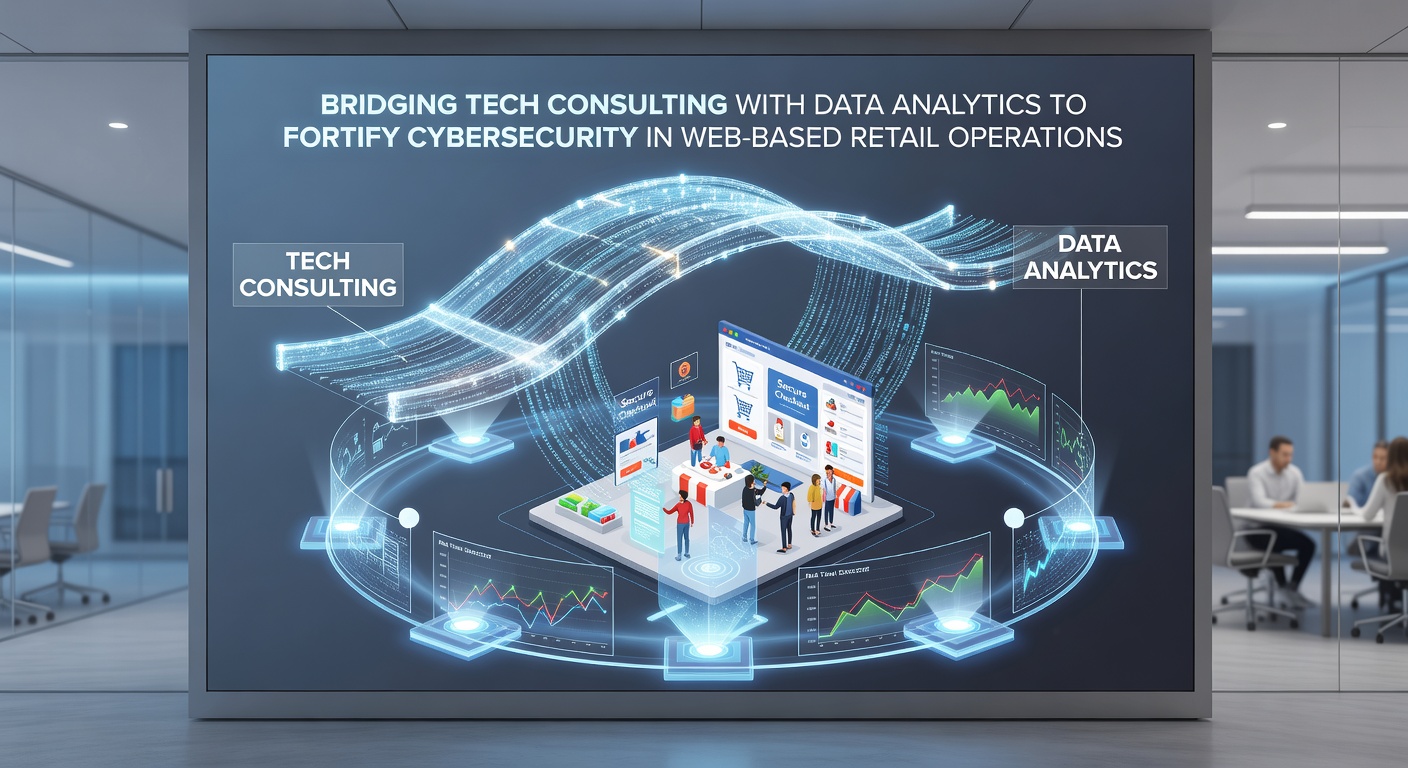
These dashboards display heat maps of access requests alongside geographic origins, and analysts correlate the visuals with external feeds from threat sharing networks to adjust thresholds dynamically. European Union cybersecurity coordination through ENISA has documented similar patterns across member states, where retail operators who adopted joint consulting and analytics frameworks maintained uptime during simulated attack exercises at higher rates than peers using traditional monitoring.
Case Examples from Retail Implementations
One mid-sized apparel retailer worked with consultants to overlay behavioral analytics on its existing customer relationship management database, and the integration surfaced repeated access attempts from compromised residential IP ranges that standard rules missed. The team then deployed automated rate limiting tied directly to the analytics output, which cut unauthorized login successes without affecting legitimate mobile shoppers during flash sales.
Another example involves a grocery chain that faced repeated ransomware probes against its inventory management portals, and consultants applied time-series forecasting to transaction data to isolate periods of highest vulnerability, typically overnight restocking windows. Adjustments to multi-factor authentication timing based on these forecasts lowered exposure windows, and follow-up audits confirmed sustained protection levels through subsequent quarters.
Integration Challenges and Measured Outcomes
Combining consulting expertise with analytics platforms requires careful alignment of data governance policies across departments, yet retailers who complete the process report clearer visibility into third-party vendor risks that often serve as entry points. Figures from academic studies at institutions such as the University of Toronto indicate that cross-functional teams achieve faster incident response times when analytics outputs feed directly into consultant-designed playbooks.
Scalability remains a consideration as retail sites expand to new regions, and consultants address this by establishing baseline metrics from initial deployments that guide phased rollouts. Data shows consistent improvements in mean time to detect threats once the combined framework operates for at least one full sales cycle.
Conclusion
Web-based retail continues to rely on the intersection of tech consulting and data analytics to maintain robust cybersecurity postures, and ongoing developments in model accuracy plus regulatory alignment point toward wider adoption across global markets. Organizations tracking these integrations observe steady gains in both threat mitigation and operational continuity as the methods mature.