Adaptive Modeling Techniques for Aligning Cloud Infrastructure With Security Priorities in Global Retail Networks
Written by Clara Powell · Aug 12, 2026
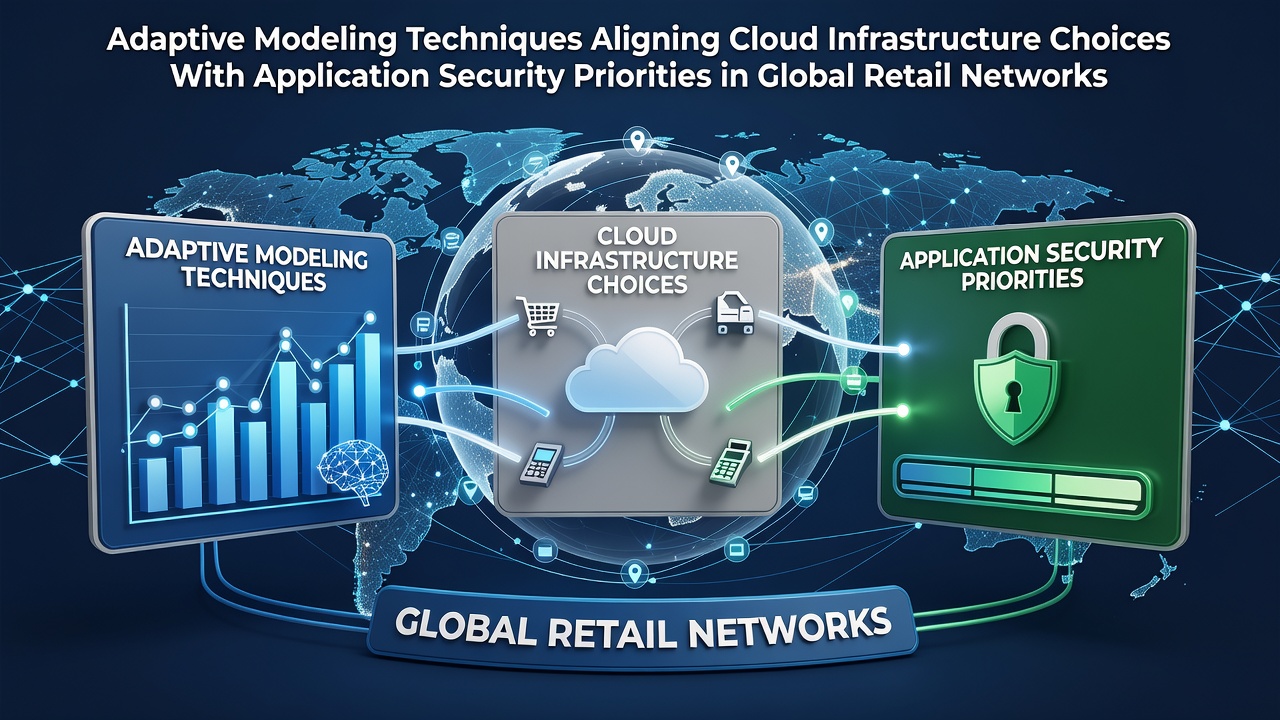
Adaptive Modeling Techniques for Aligning Cloud Infrastructure With Security Priorities in Global Retail Networks
Retail networks across continents rely on cloud infrastructure that adapts in real time to fluctuating security demands, and adaptive modeling techniques provide the framework for those adjustments. These methods analyze application workloads, threat patterns, and regulatory requirements simultaneously, while they guide decisions about resource allocation in distributed environments. Data from multiple regions shows that retailers using such models achieve tighter integration between infrastructure scaling and protection layers, especially when consumer traffic spikes occur during peak seasons.
Core Components of Adaptive Modeling in Retail Settings
Adaptive modeling begins with continuous data collection from application performance metrics, network traffic logs, and vulnerability assessments. Researchers have observed that these inputs feed into algorithms capable of predicting shifts in both operational needs and risk exposure. Retailers then map those predictions against available cloud services, selecting configurations that balance latency requirements with encryption standards and access controls. According to the National Institute of Standards and Technology cloud security guidelines, organizations that embed these feedback loops reduce misaligned deployments by measurable margins.
One study of European retail platforms revealed that models incorporating regional compliance rules alongside usage forecasts produced more stable security postures during expansion phases. The process involves iterative simulation where each cycle refines previous outputs, allowing infrastructure choices to evolve without disrupting live operations. Observers note that this approach proves particularly effective in global networks where data sovereignty laws differ between jurisdictions.
Security Priorities Shaping Infrastructure Decisions
Application security priorities in retail often center on protecting customer data, preventing unauthorized access, and maintaining service availability under attack. Adaptive models weigh these factors against cloud options such as multi-region deployments, container orchestration, and serverless functions. When threat intelligence indicates rising phishing campaigns targeting payment systems, for instance, the model may recommend increased isolation of sensitive workloads on dedicated instances rather than shared resources.
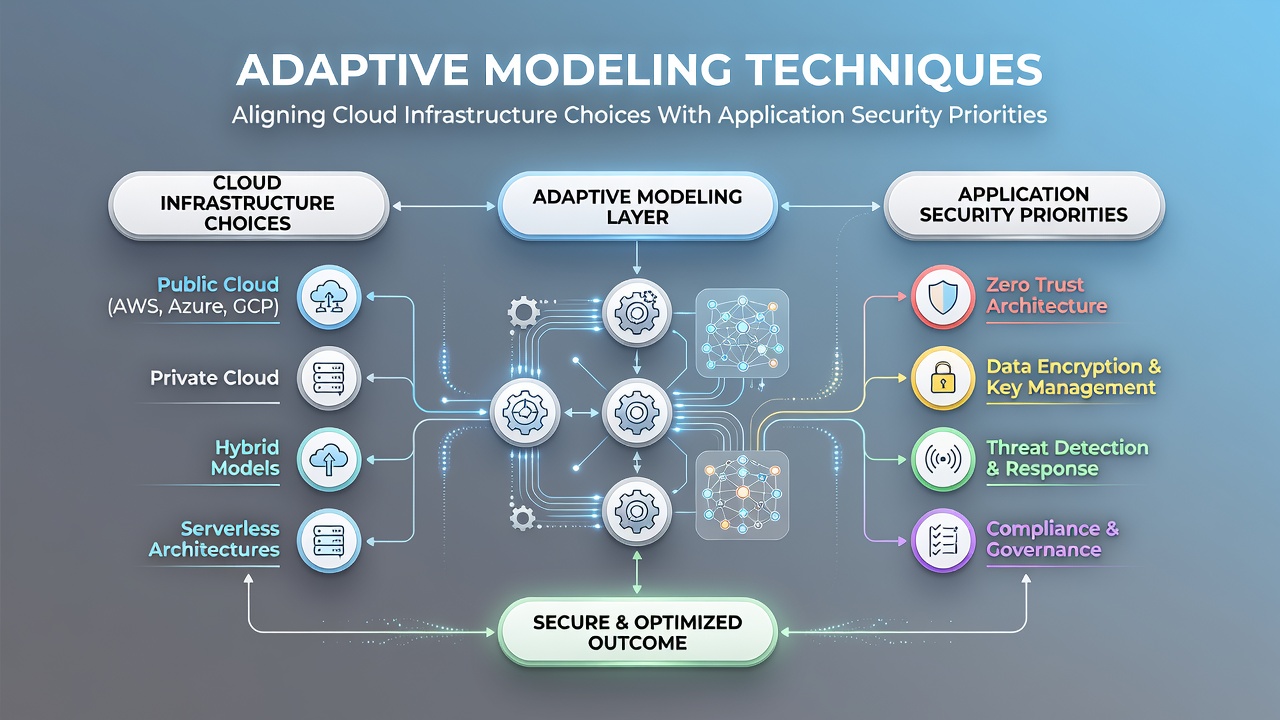
Figures released in August 2026 by ENISA highlighted that retail operators applying adaptive techniques reported fewer incidents involving credential theft compared with those relying on static cloud setups. The models also account for cost implications, routing non-critical workloads to lower-security tiers while reserving high-assurance environments for transaction processing. This selective allocation emerges naturally from the modeling process rather than from manual policy enforcement.
Implementation Patterns Across Distributed Retail Networks
Global retailers typically deploy adaptive models through centralized analytics platforms that pull telemetry from edge locations and core data centers alike. Teams configure thresholds for key indicators such as response times, anomaly scores, and compliance gaps, then let the system propose infrastructure changes. In practice, these proposals translate into automated scripts that adjust virtual network segments or scale security monitoring agents. Academic analyses from Canadian universities have documented how such automation supports consistent policy application across North American and Asian operations simultaneously.
Retail chains handling omnichannel sales face additional complexity because mobile applications, web storefronts, and in-store systems generate distinct security profiles. Adaptive modeling integrates these profiles into unified decision trees, enabling cloud resources to shift dynamically between availability zones while encryption and authentication layers remain synchronized. Data shows that organizations maintaining these synchronized layers experience fewer integration failures during seasonal updates.
Conclusion
Adaptive modeling techniques continue to influence how global retail networks select and adjust cloud infrastructure in response to evolving application security priorities. The integration of real-time analytics with regulatory and threat data produces decisions that reflect both operational realities and protection needs. Retailers adopting these methods gain frameworks that scale across regions while preserving consistency in security outcomes.